EventsNews

October 14–15, 2025

Education Center, UFR3S, University of Lille

Program and Presentation Slides
Posters
Annual Meetings Videos

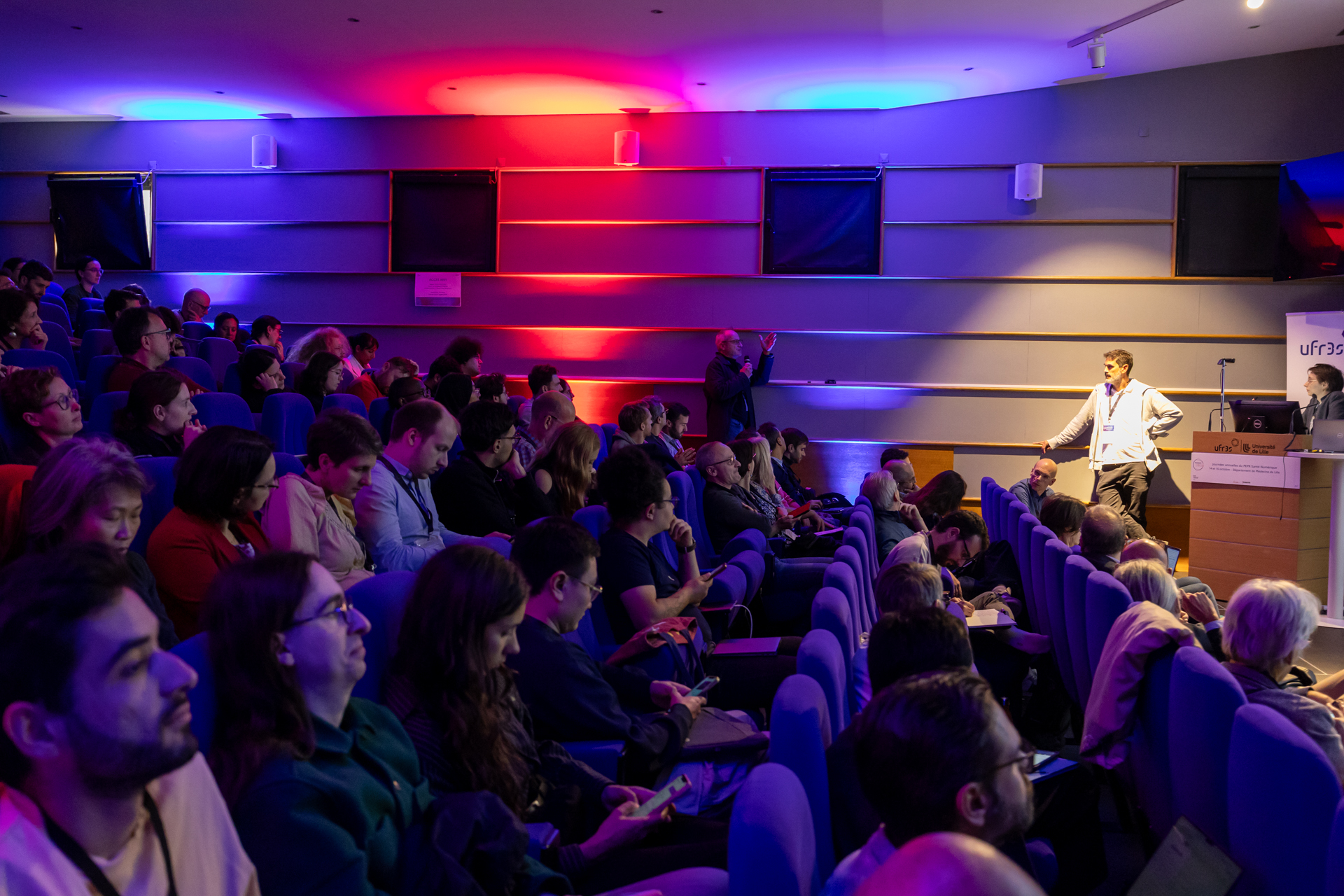
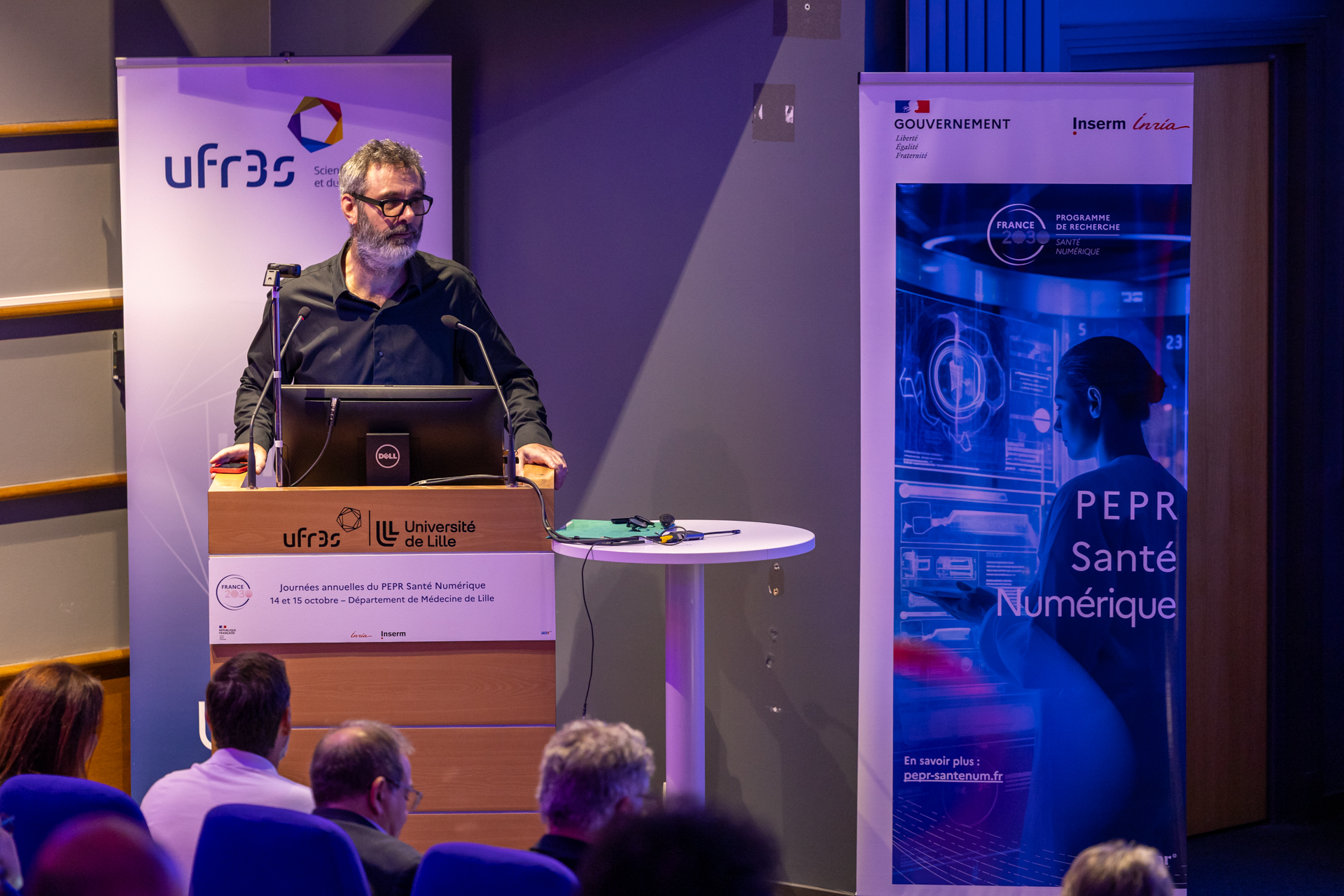
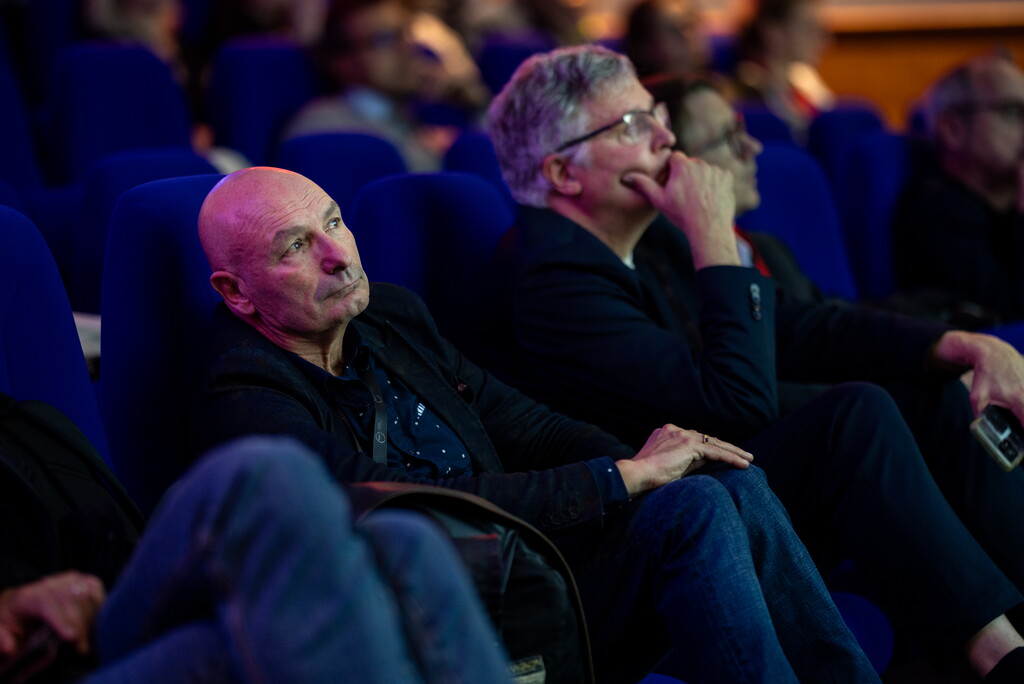
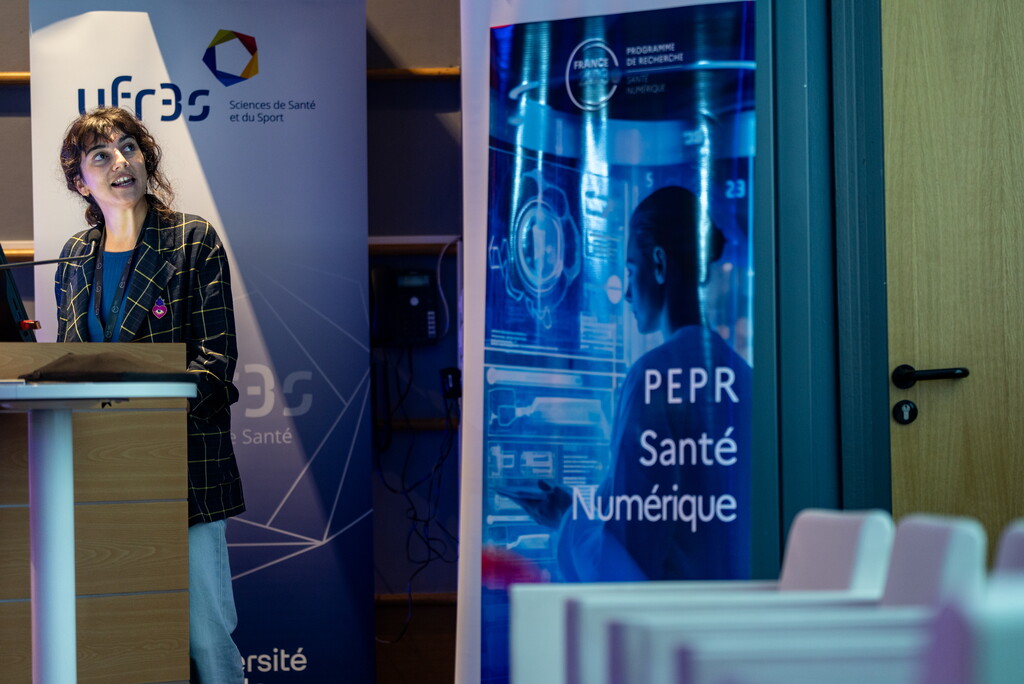
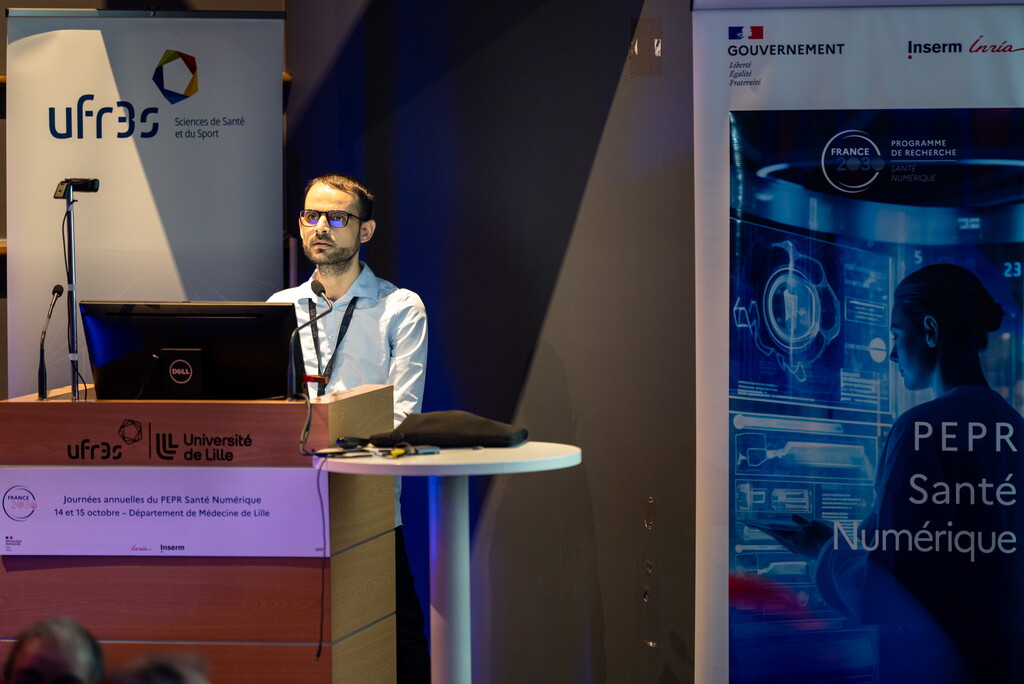
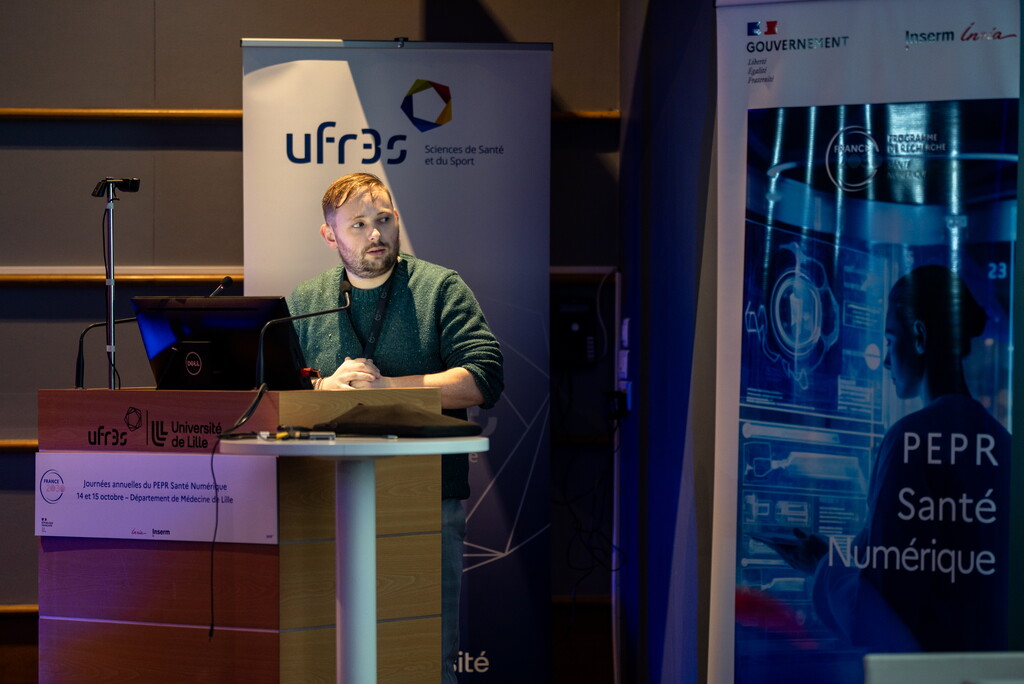
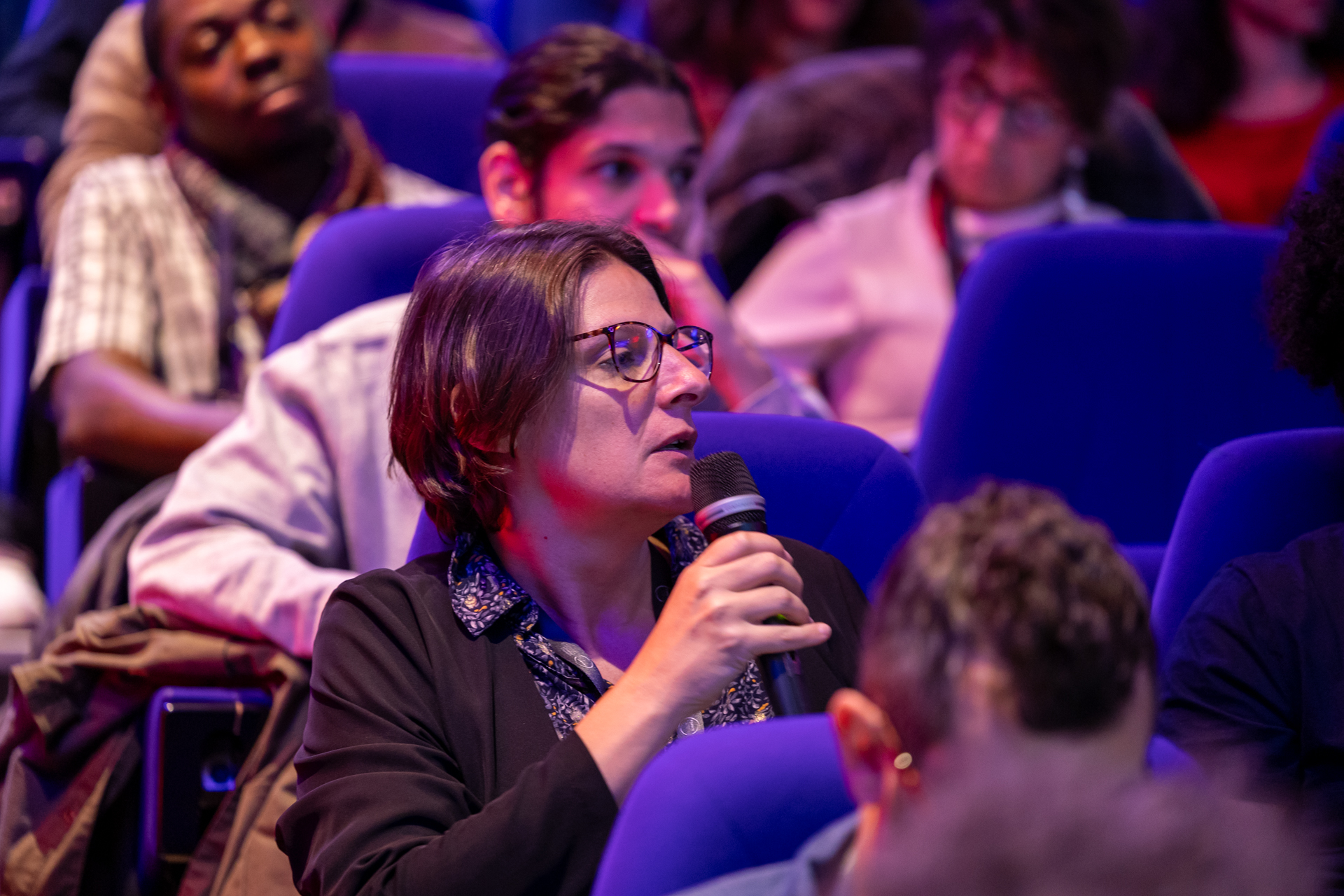
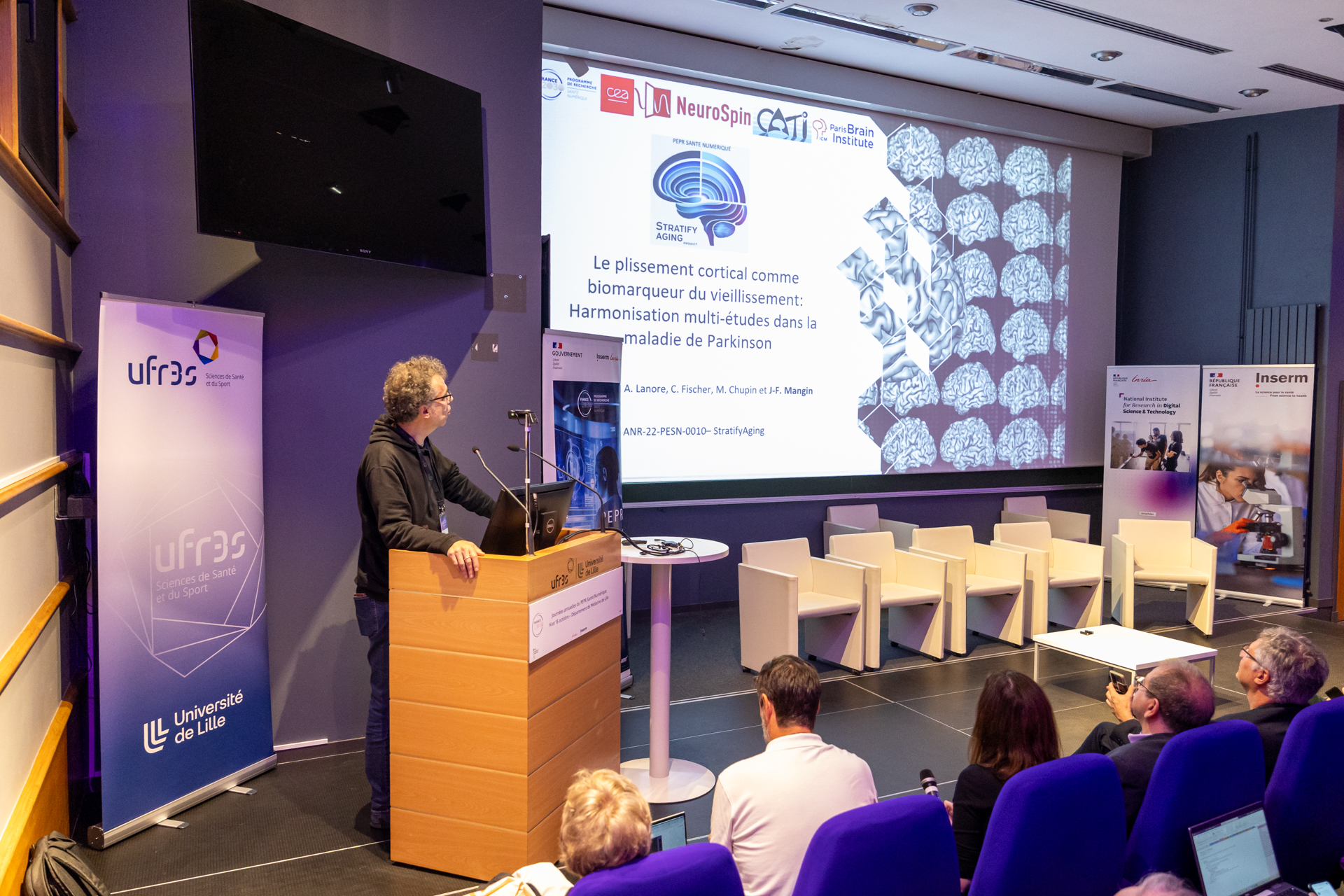
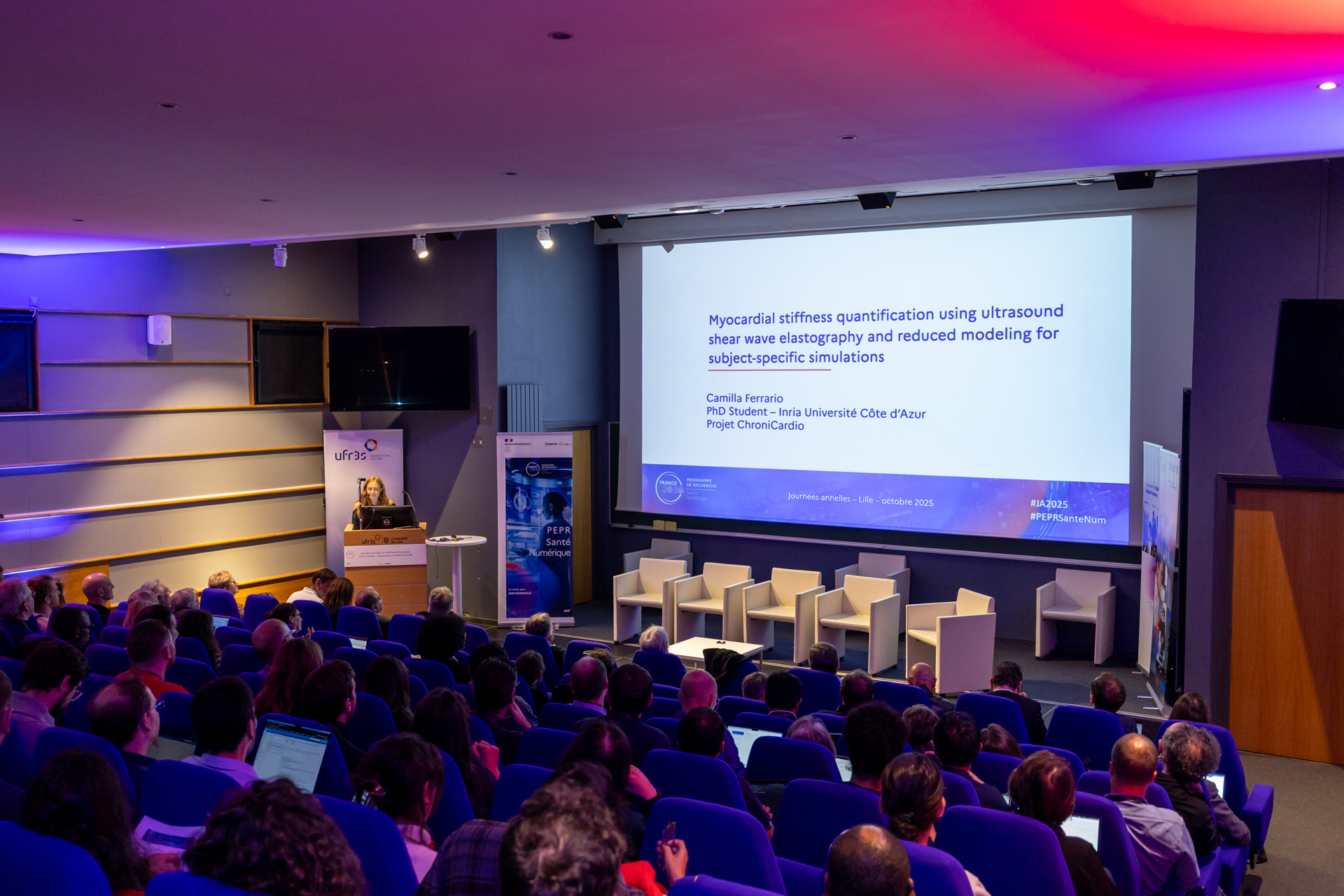
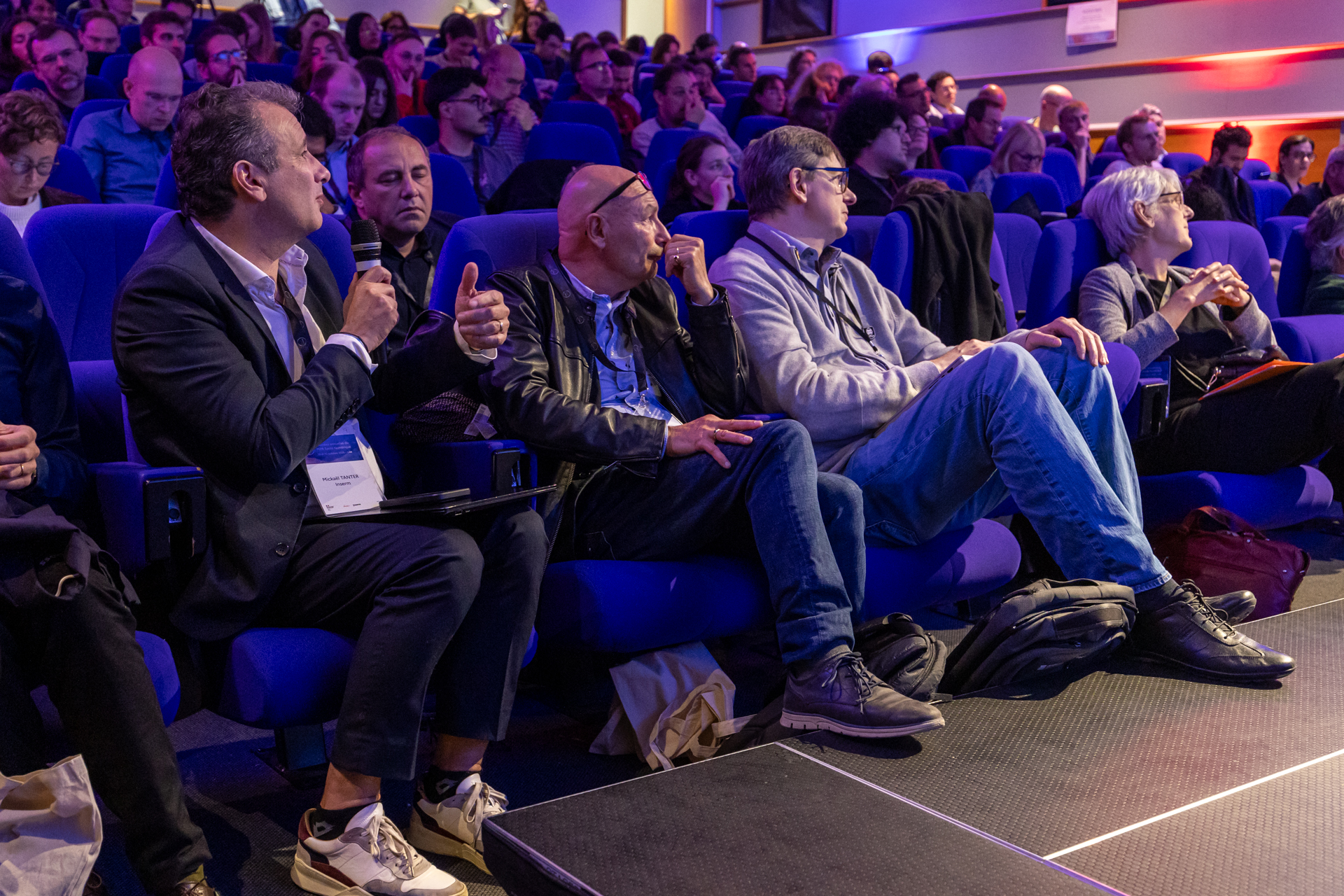
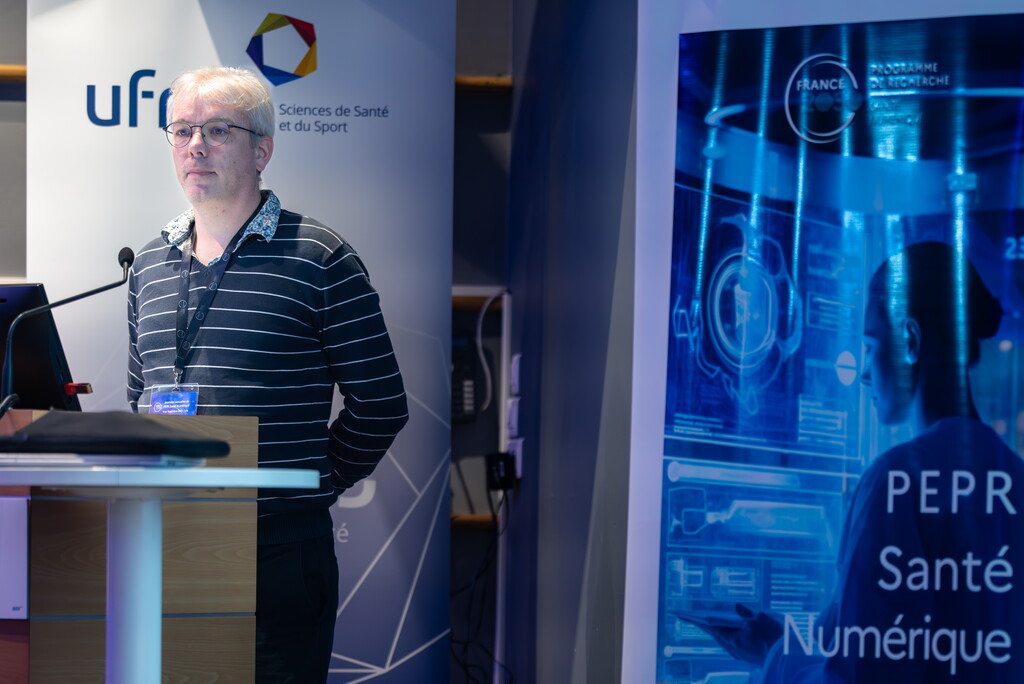
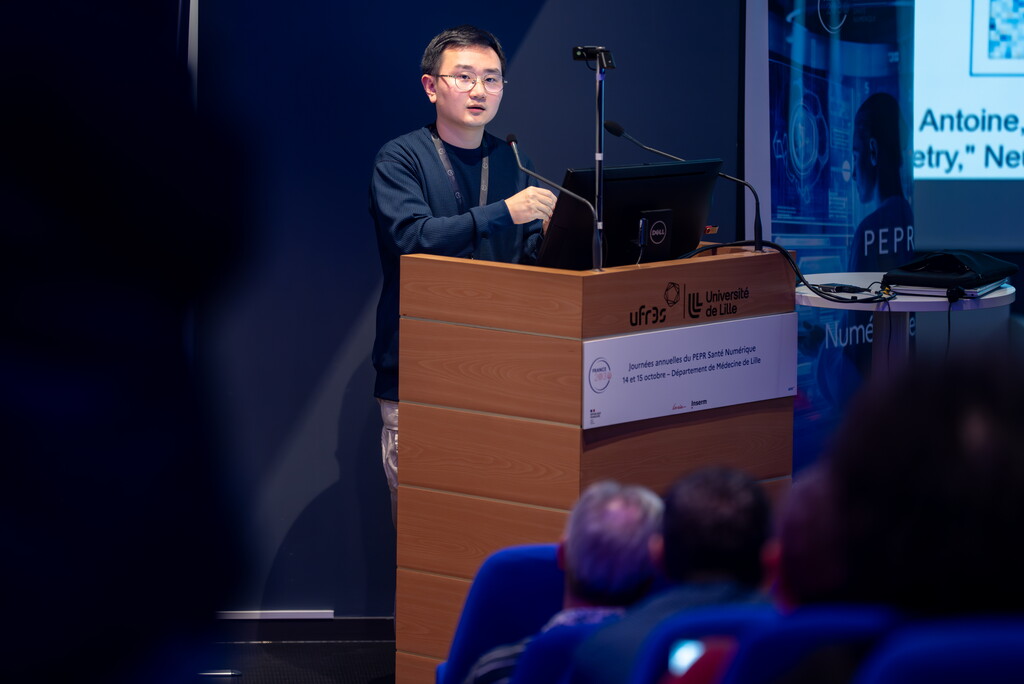
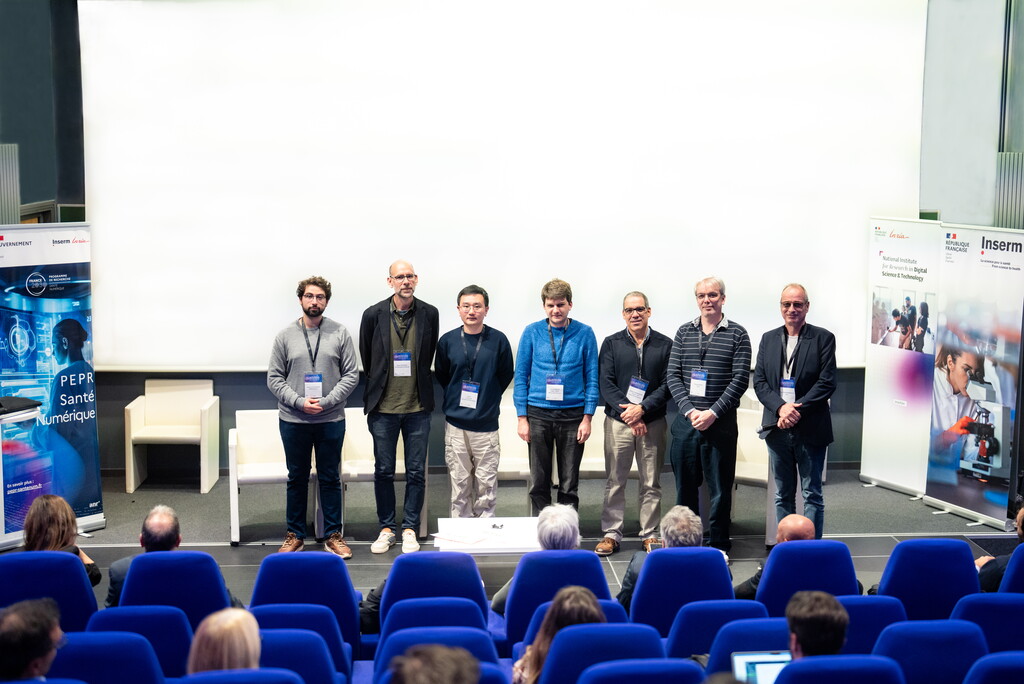
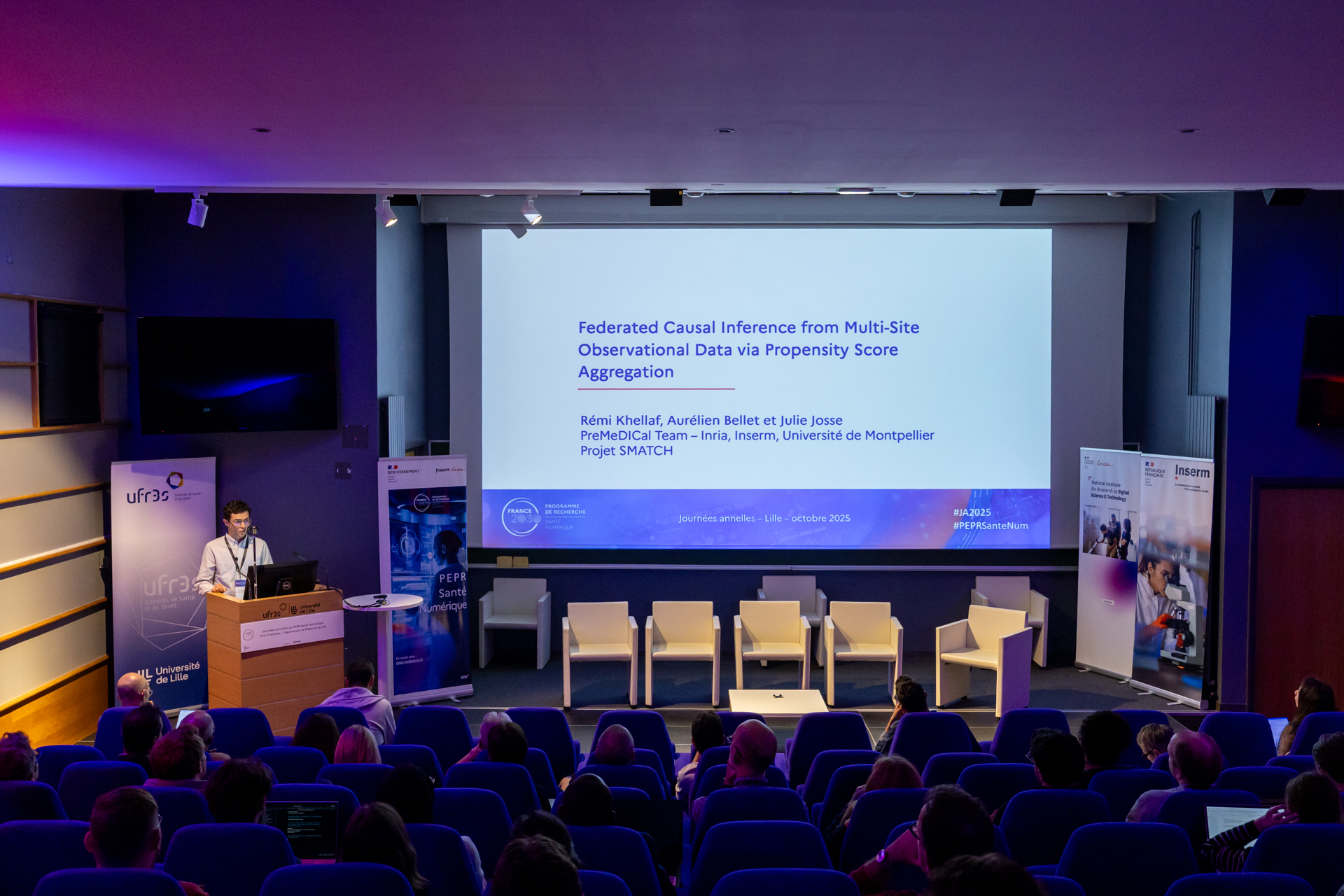
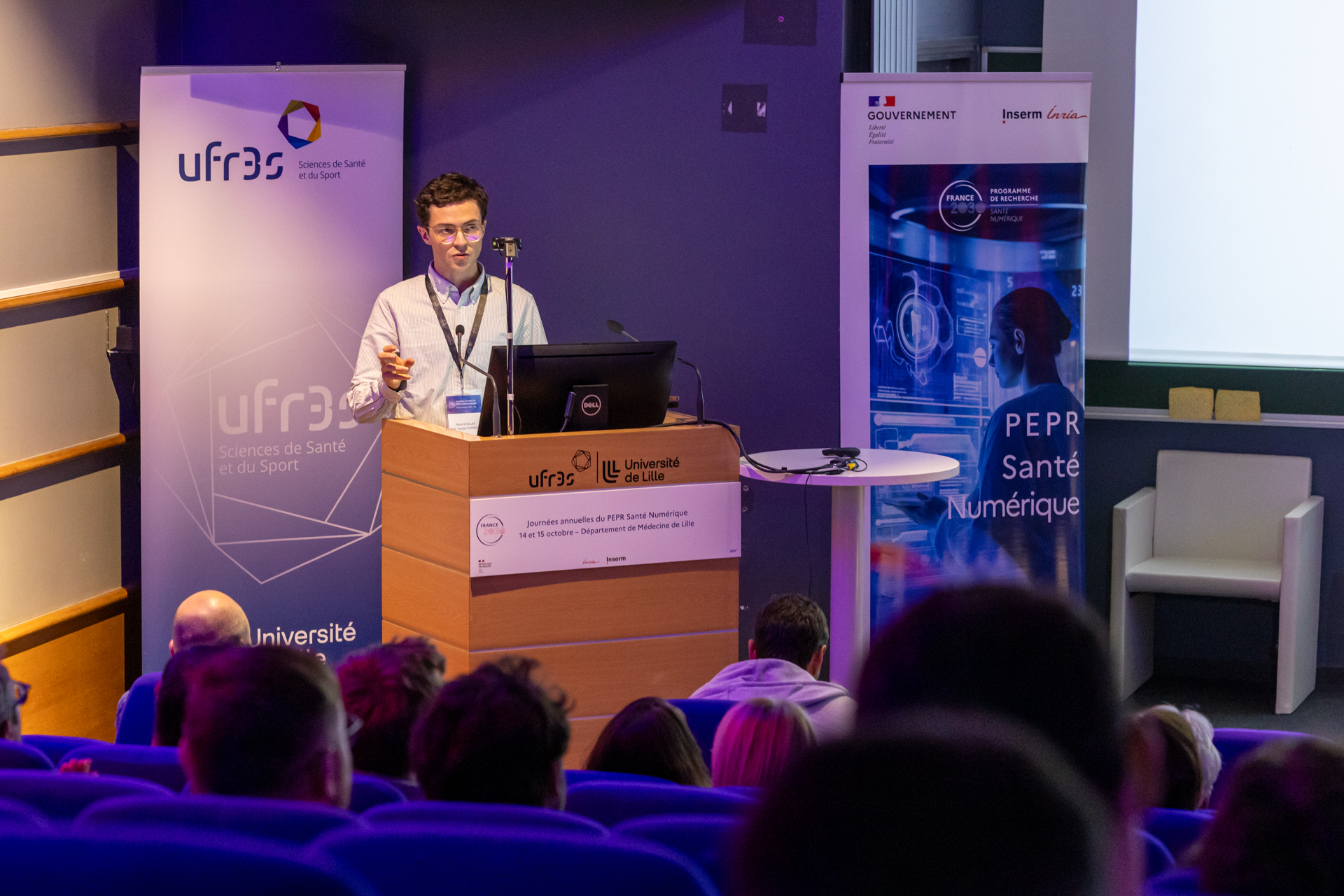
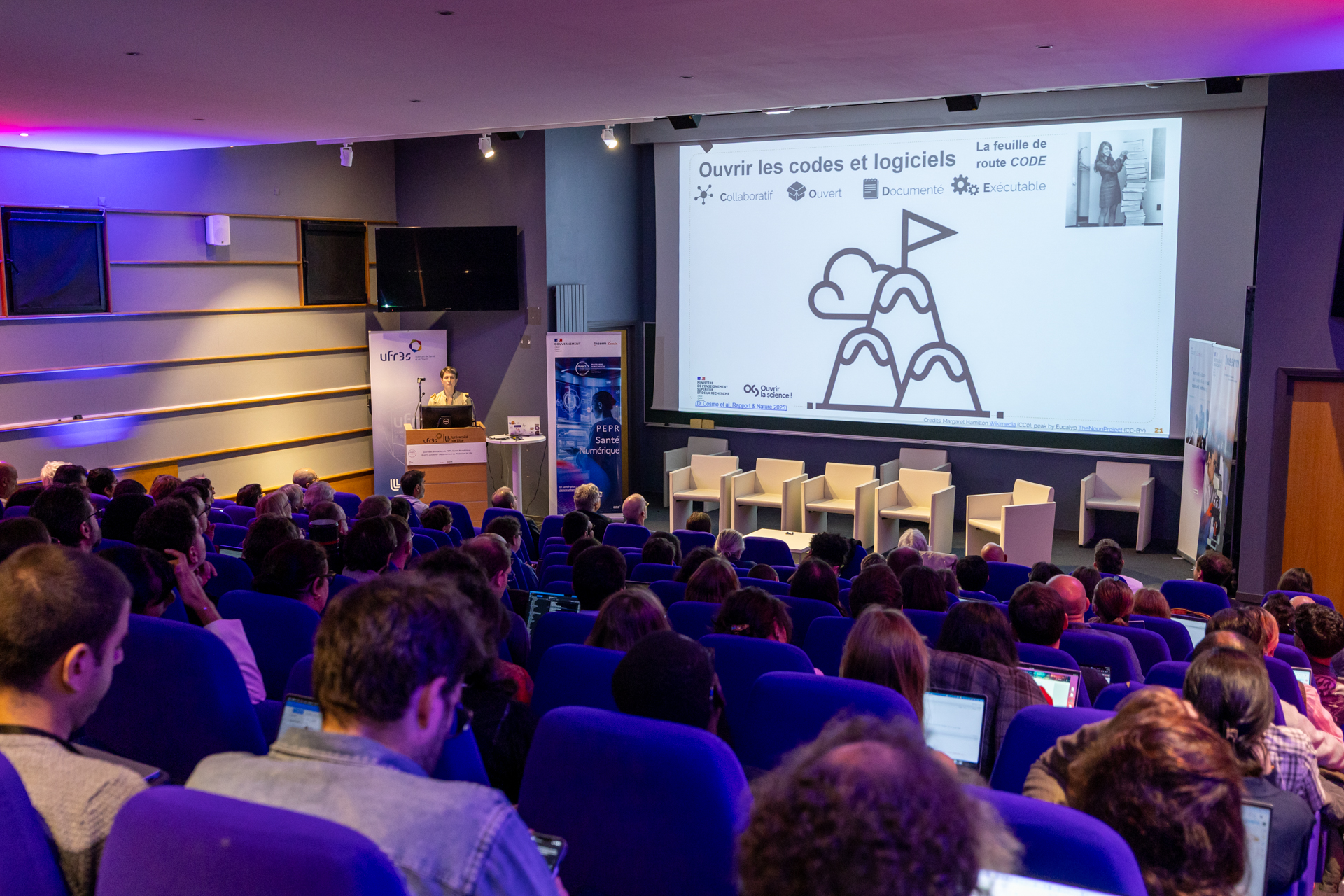
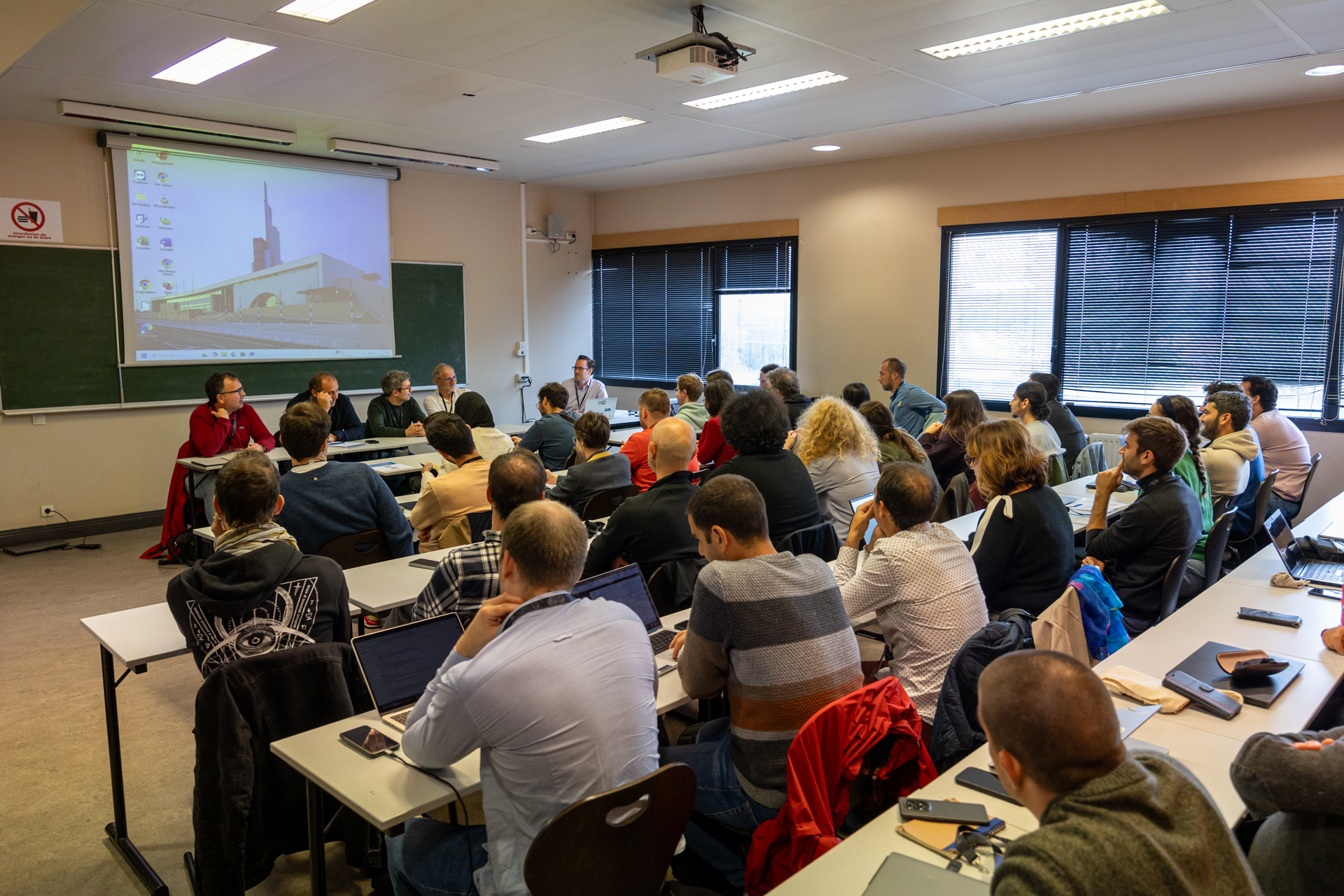
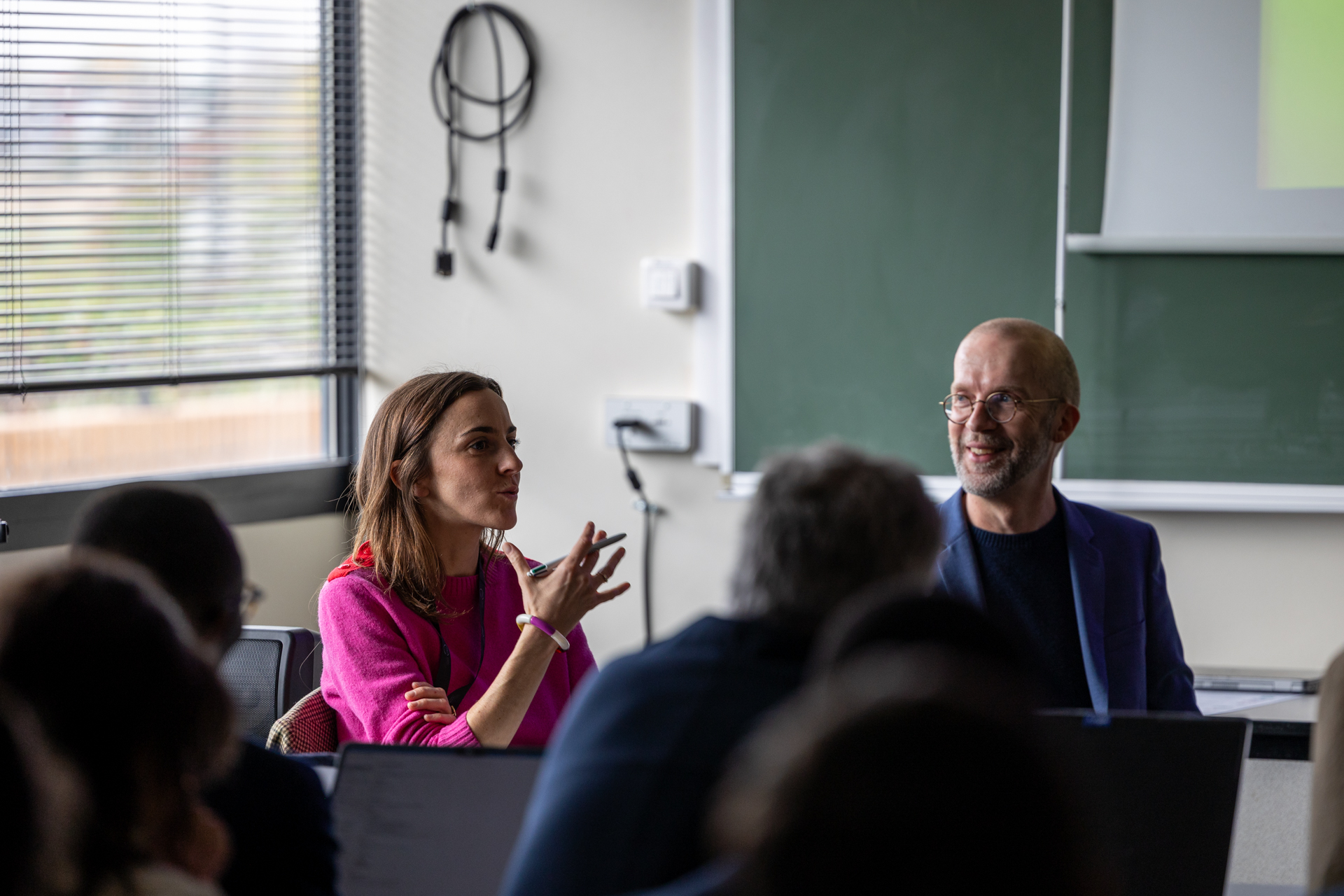
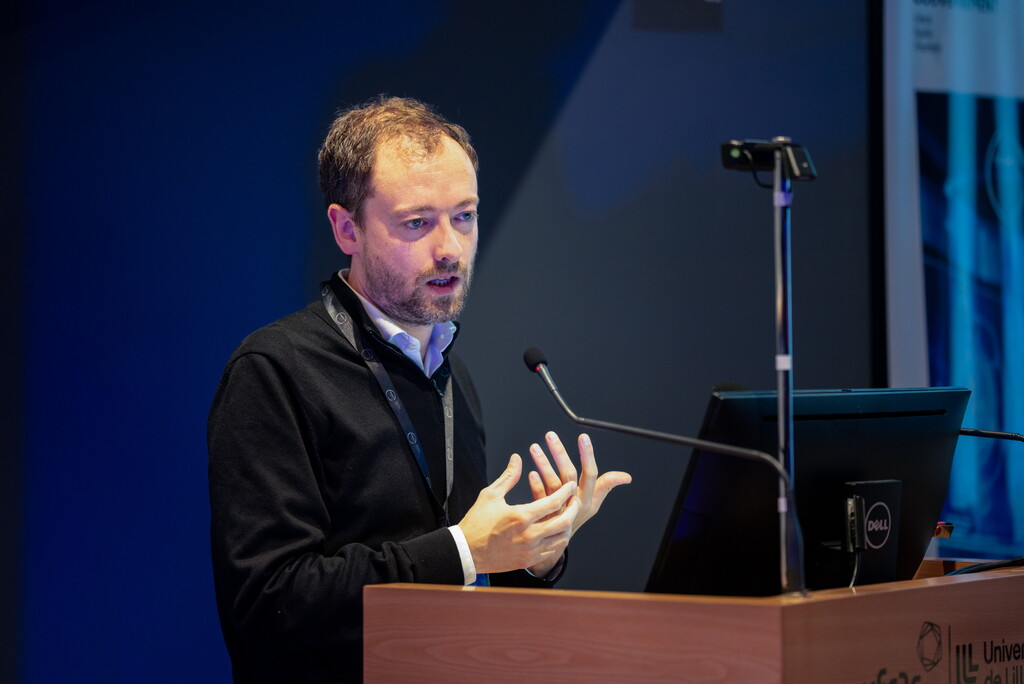
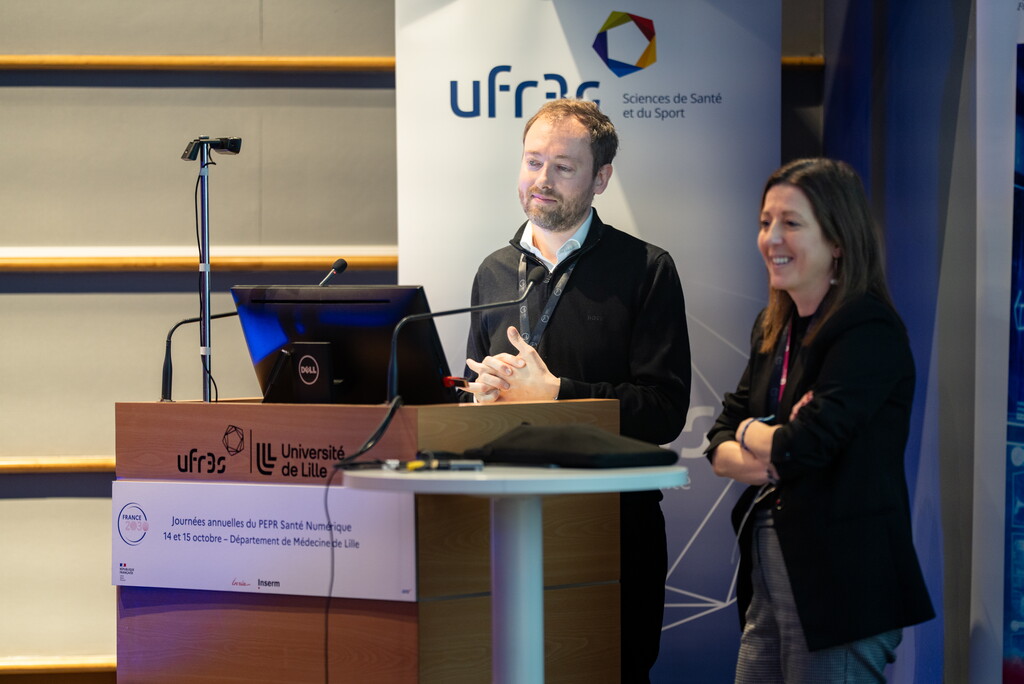
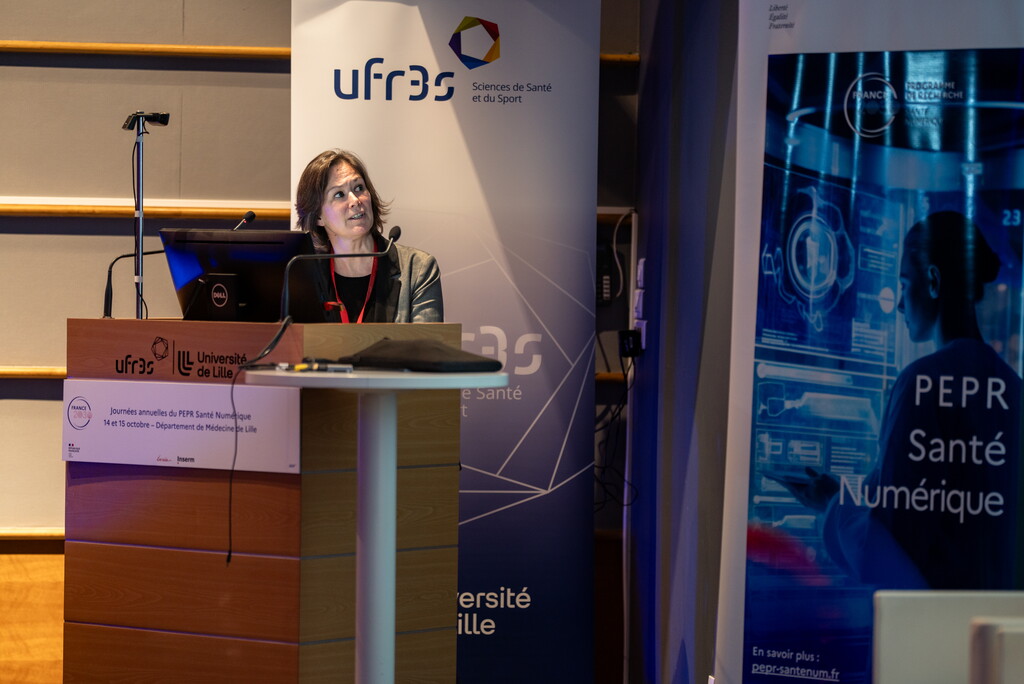
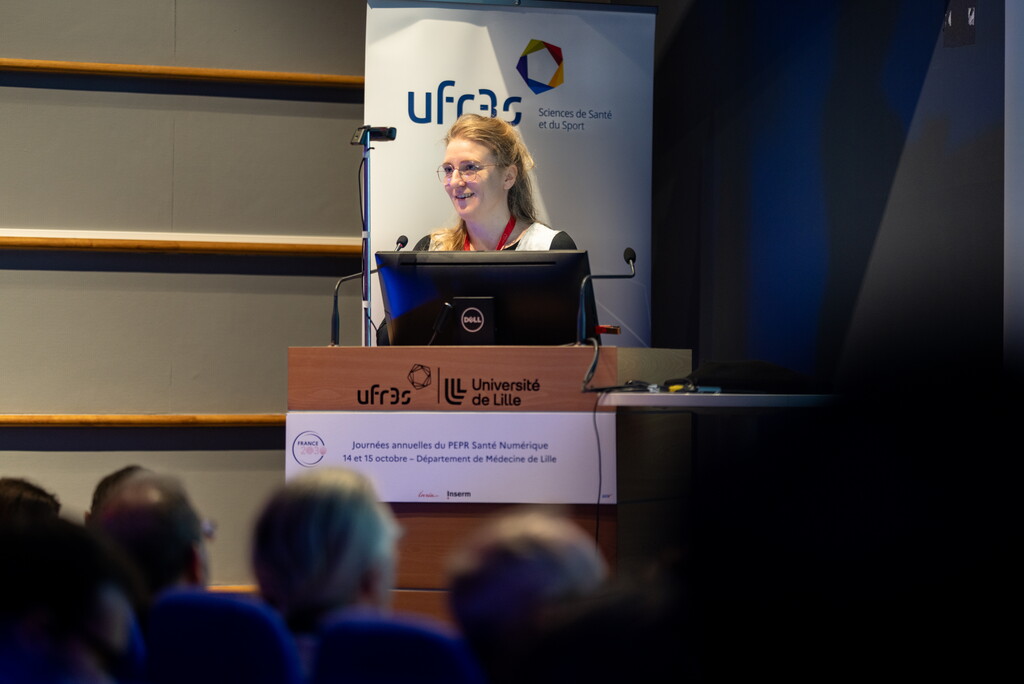
The second edition of the Annual Meetings of the Digital Health Research Program took place on October 14–15, 2025, bringing together more than 200 participants from the PEPR SantéNum community, partner institutions, and the local ecosystem. The event stood out for its high-level scientific program, combining keynote talks by leading experts in the field with presentations of research conducted by PhD students and postdoctoral researchers from the 17 targeted PEPR projects.

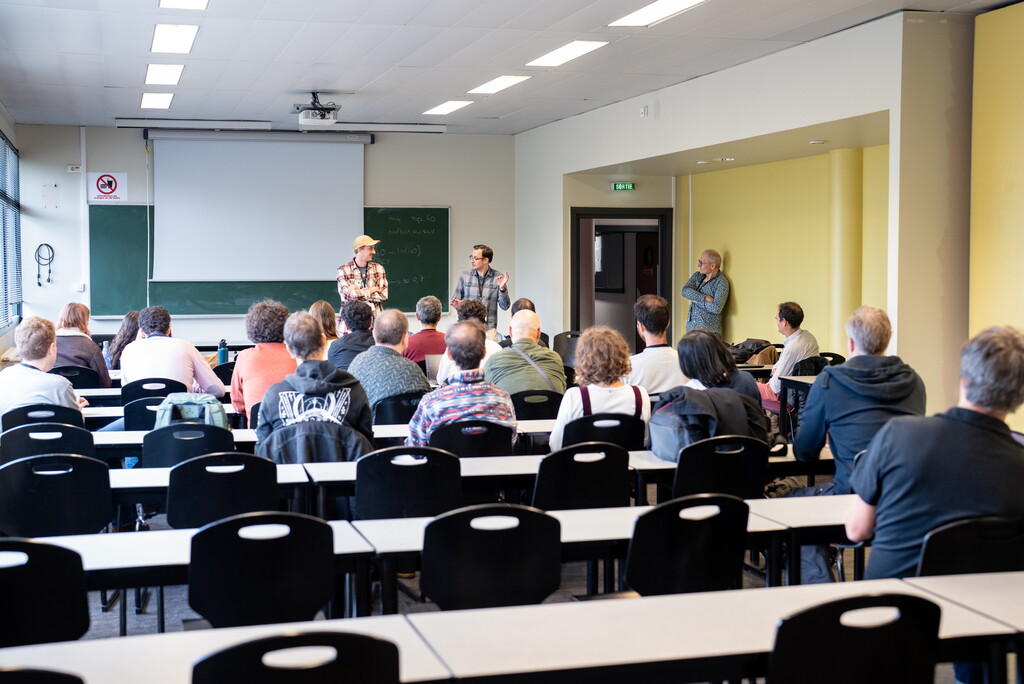
Alongside the Annual Meetings, the Digital Health Engineers Seminar organized by Inria was held from October 13 to 15. For the first time, the event was opened to a broader group of engineers involved in digital health projects, with the goal of fostering synergies between research, engineering, and clinical practice.
Opening Session

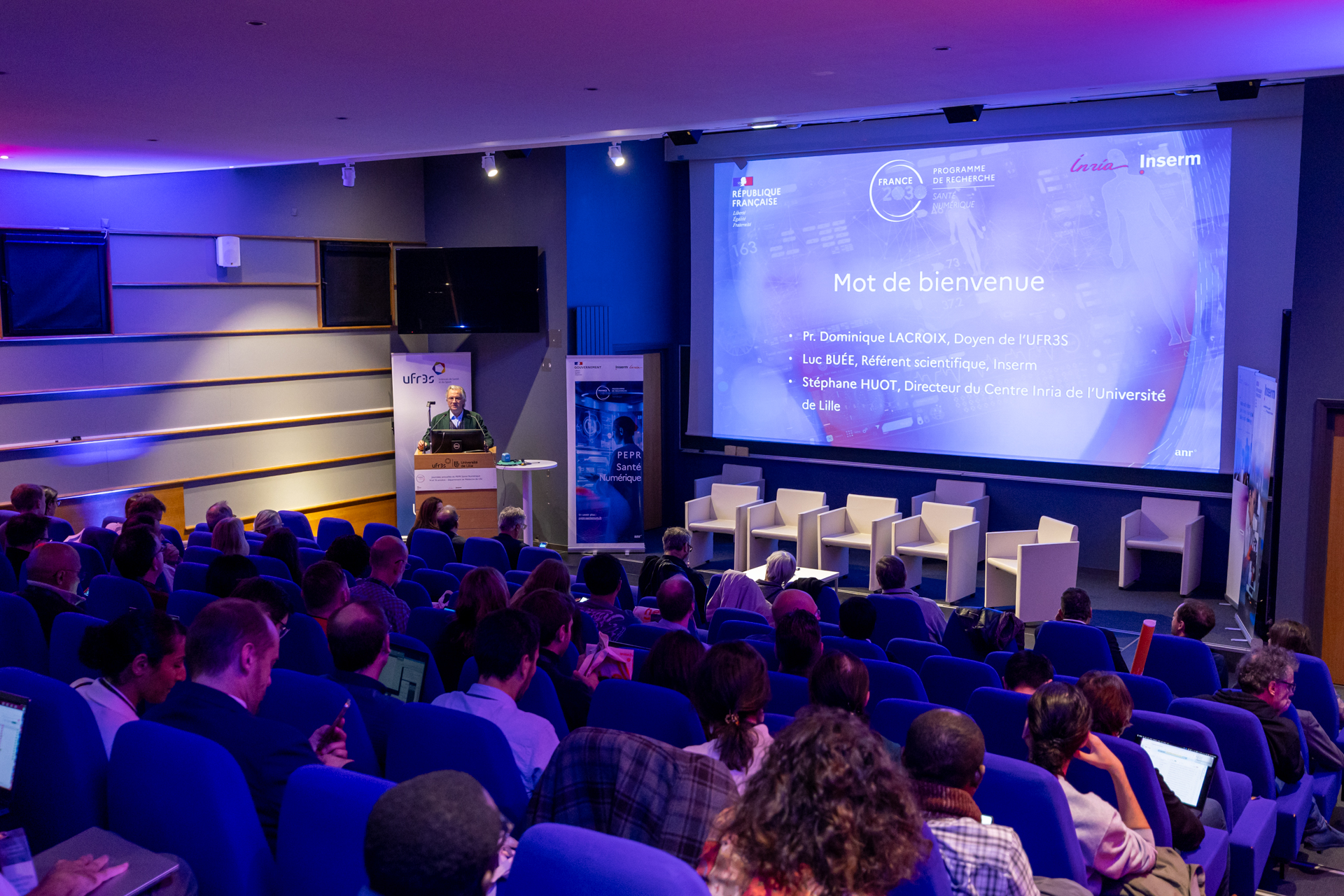
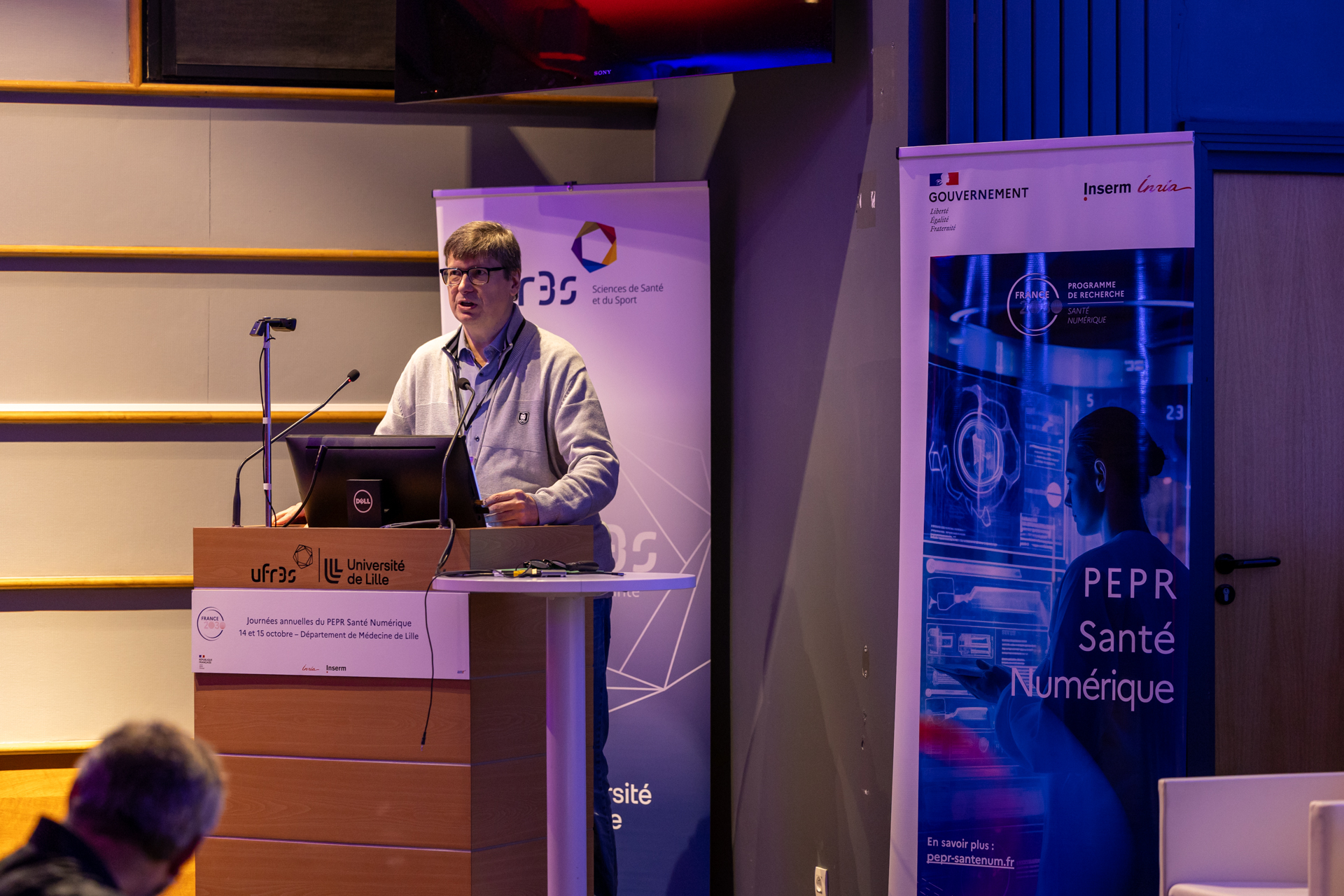
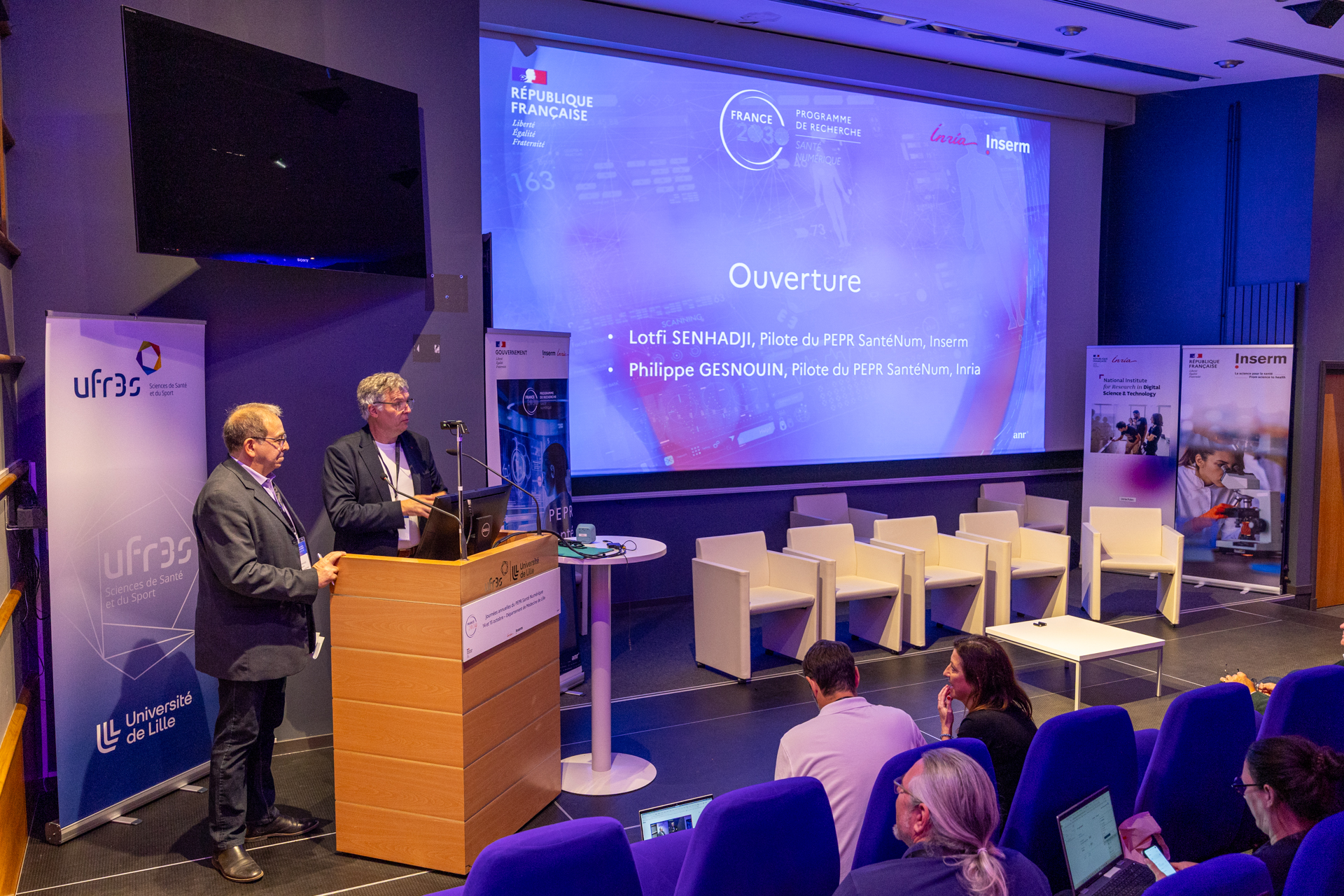
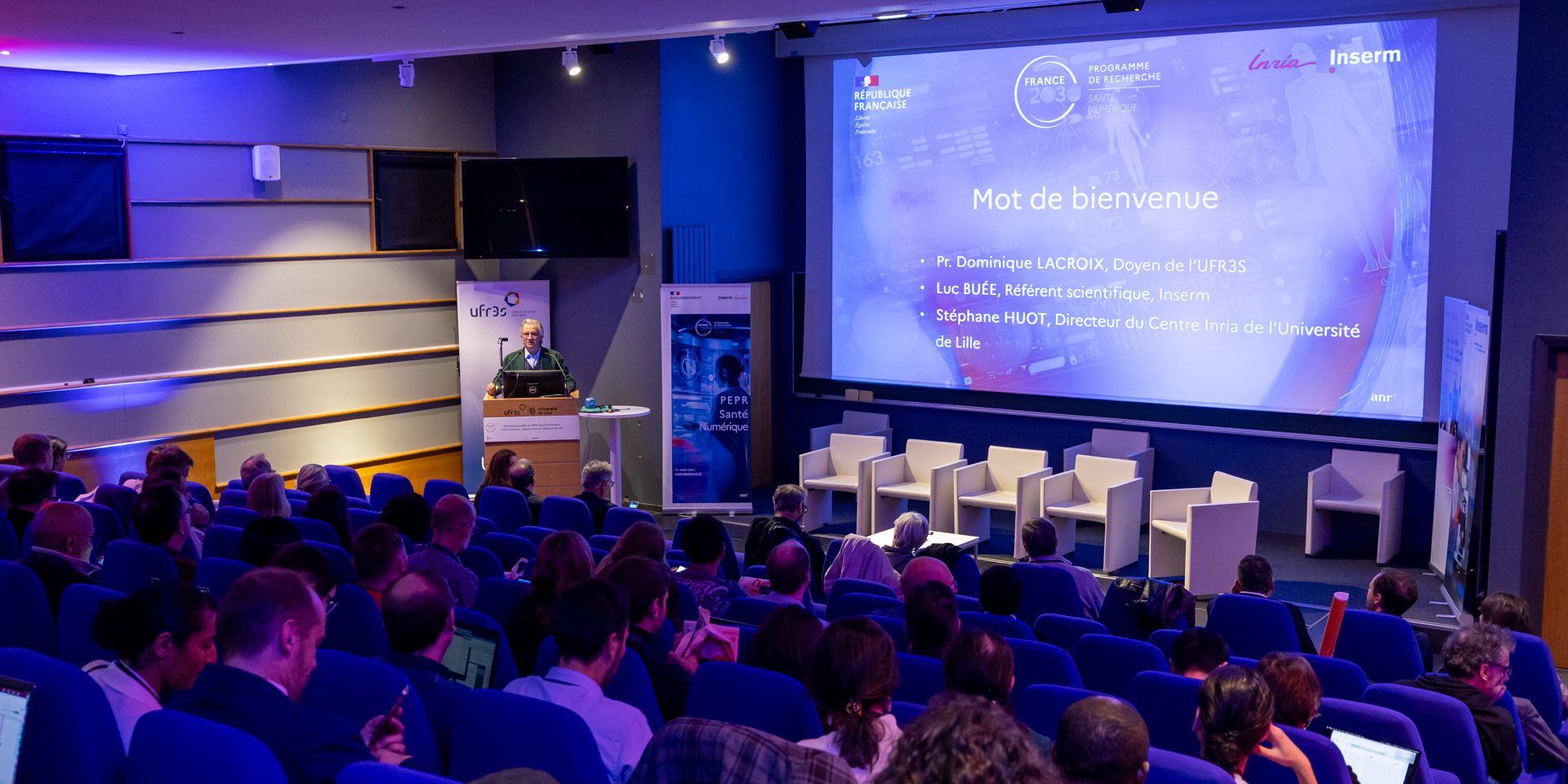
Following a welcome address by Professor Dominique Lacroix, Dean of UFR3S, the local representatives of the PEPR program leaders — Luc Buée, Scientific Lead for Inserm, and Stéphane Huot, Director of the Inria Center at the University of Lille — greeted the participants.

The scientific leads, Lotfi Senhadji, Professor at the University of Rennes for Inserm, and Philippe Gesnouin, Director of Inria’s Digital Health Program, then spoke on behalf of the Steering Committee.

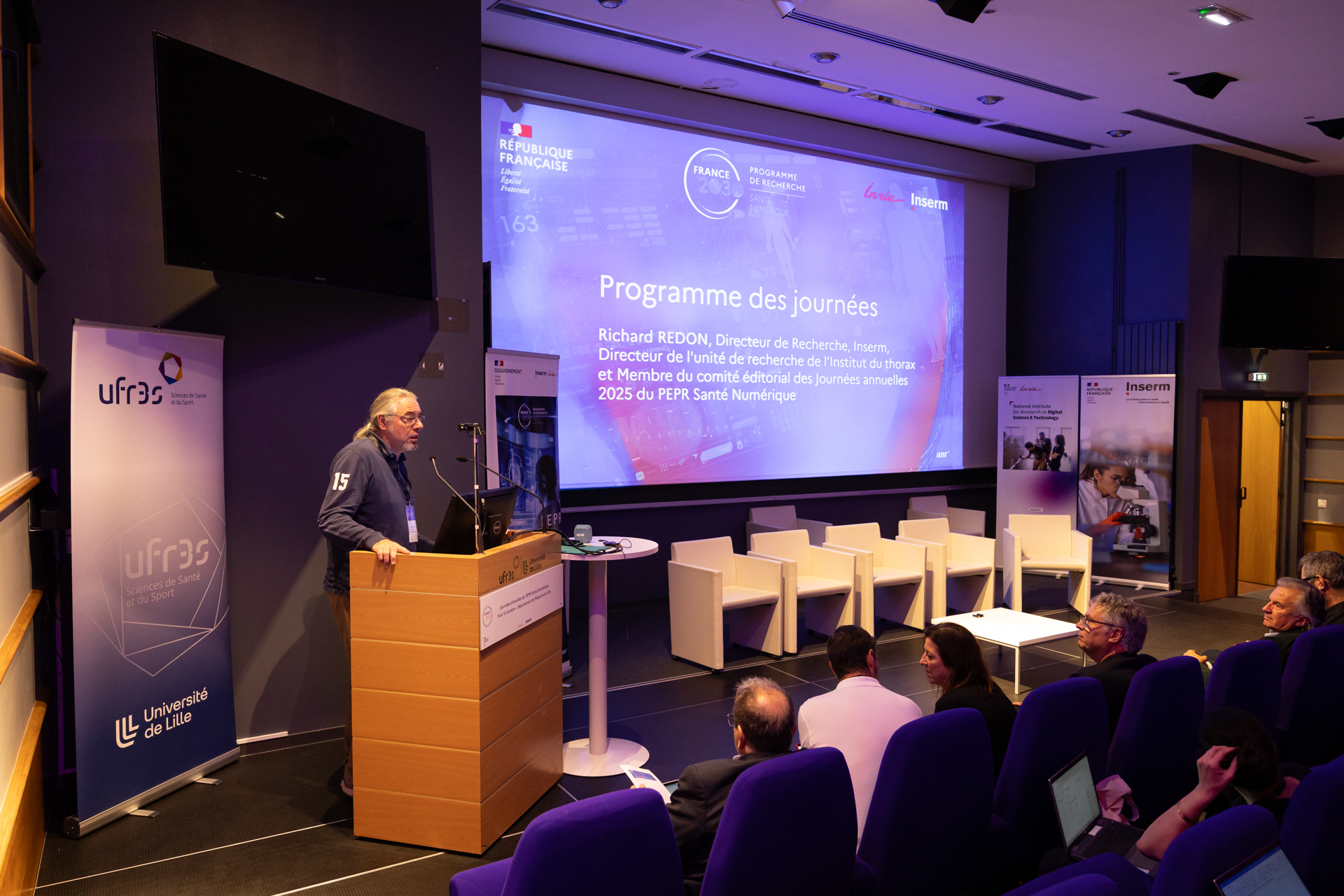
Finally, Richard Redon, Research Director at the Institute of Thorax (Inserm), who had hosted last year’s Annual Meetings in Nantes, presented the scientific program for this new edition.

Digital twins: challenges and perspectives for healthcare;

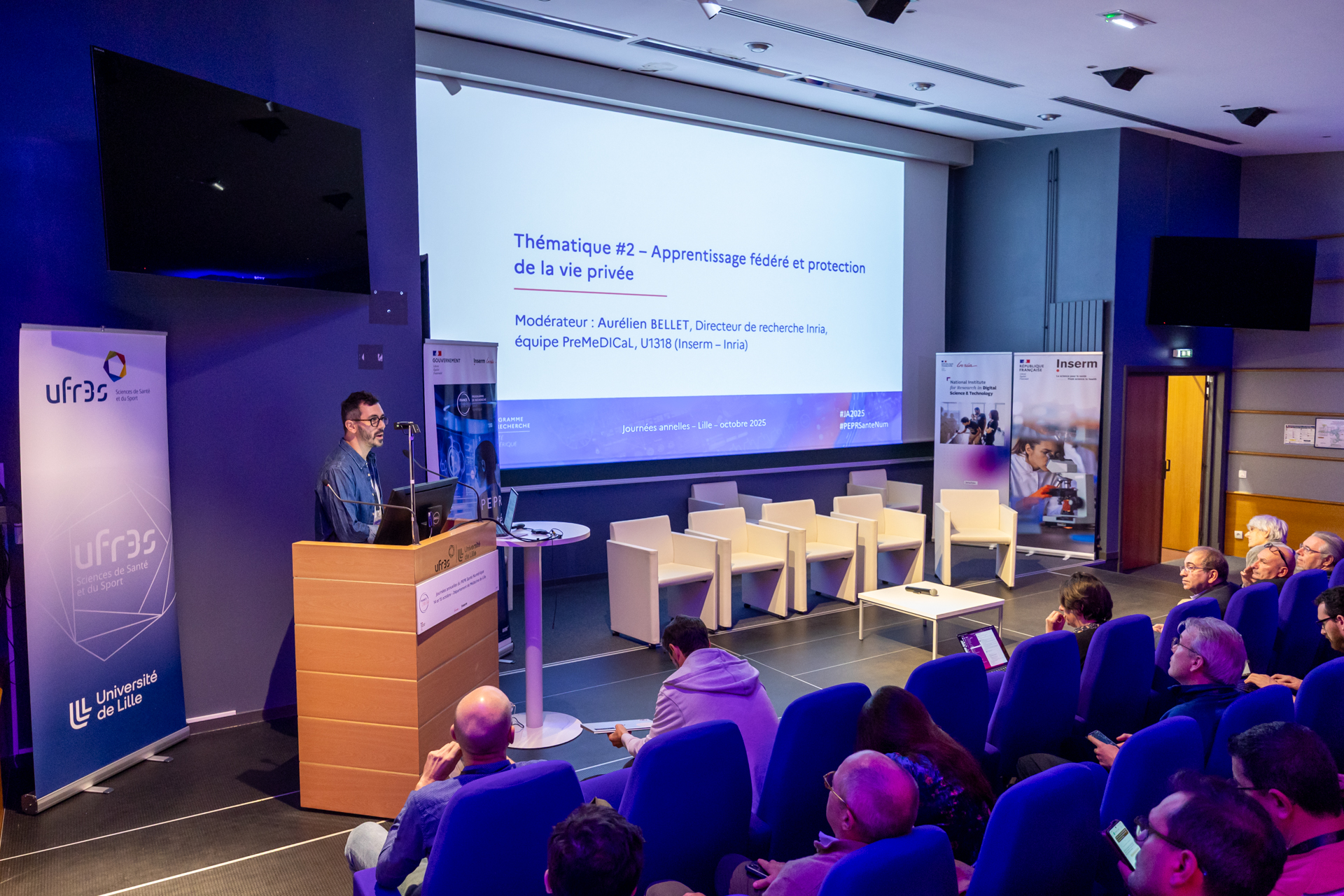
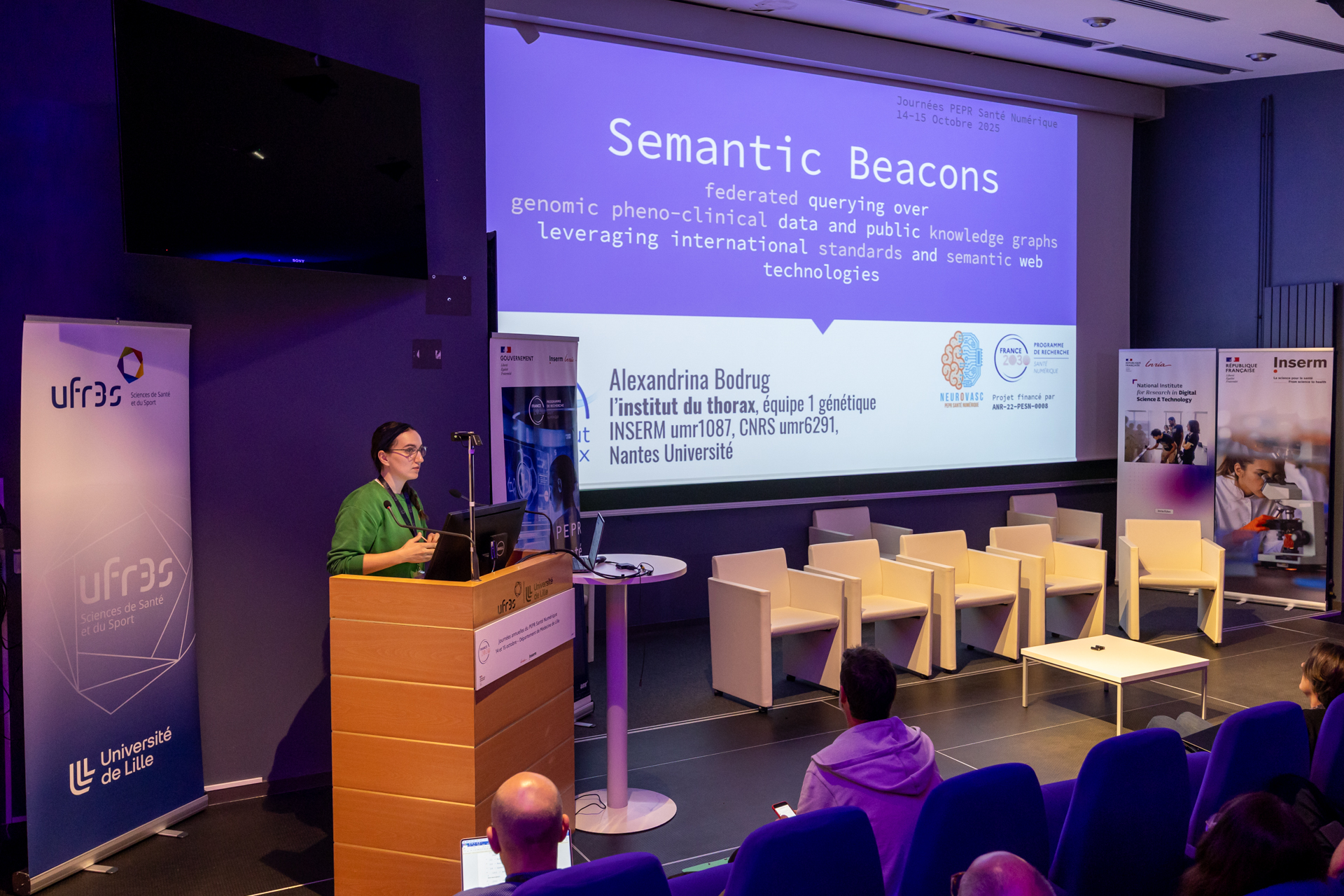
Federated learning and privacy protection.

Each session included:

  • a keynote address by an expert;

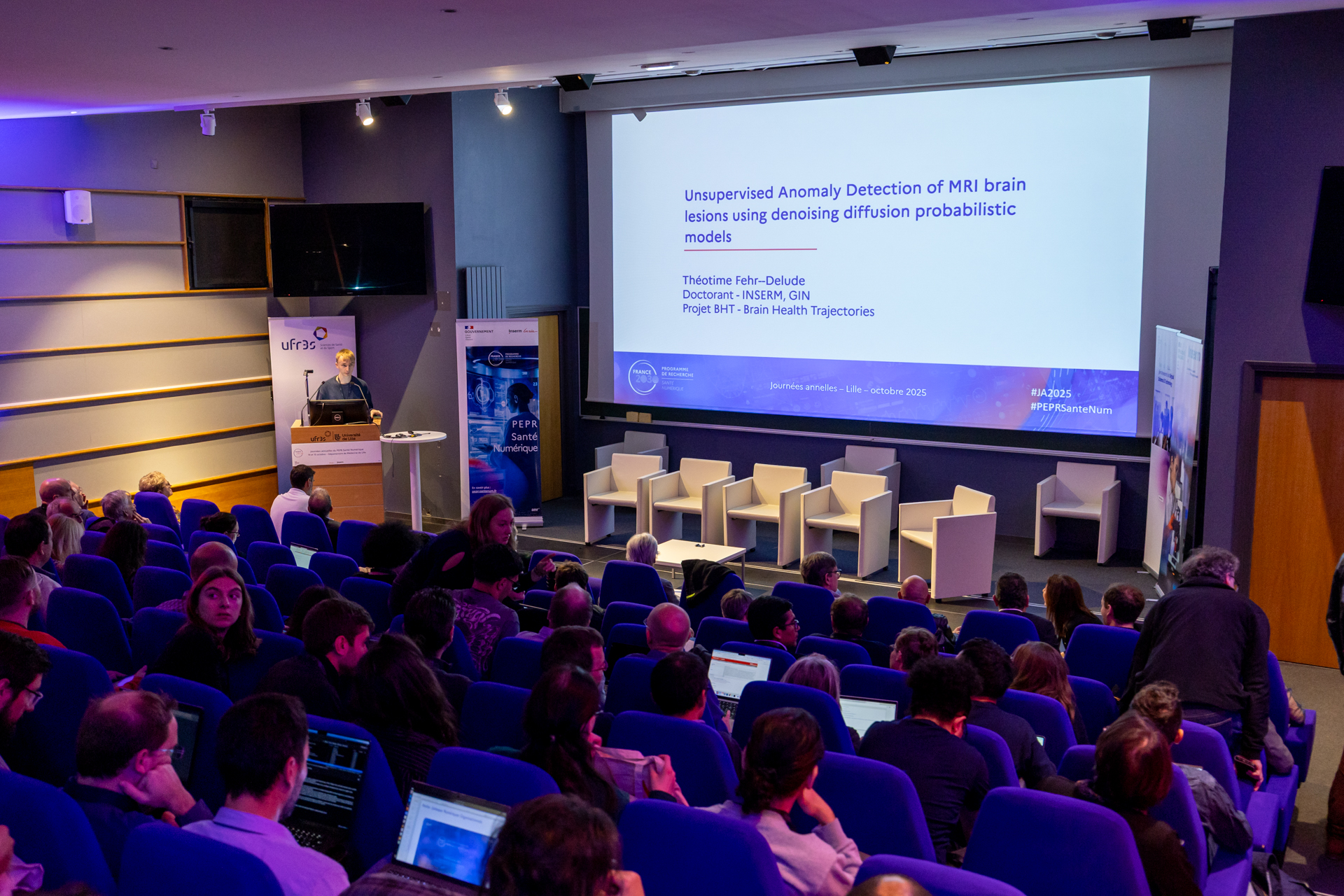
  • three presentations of research conducted by students and early-career researchers from the PEPR Digital Health Program’s targeted projects.

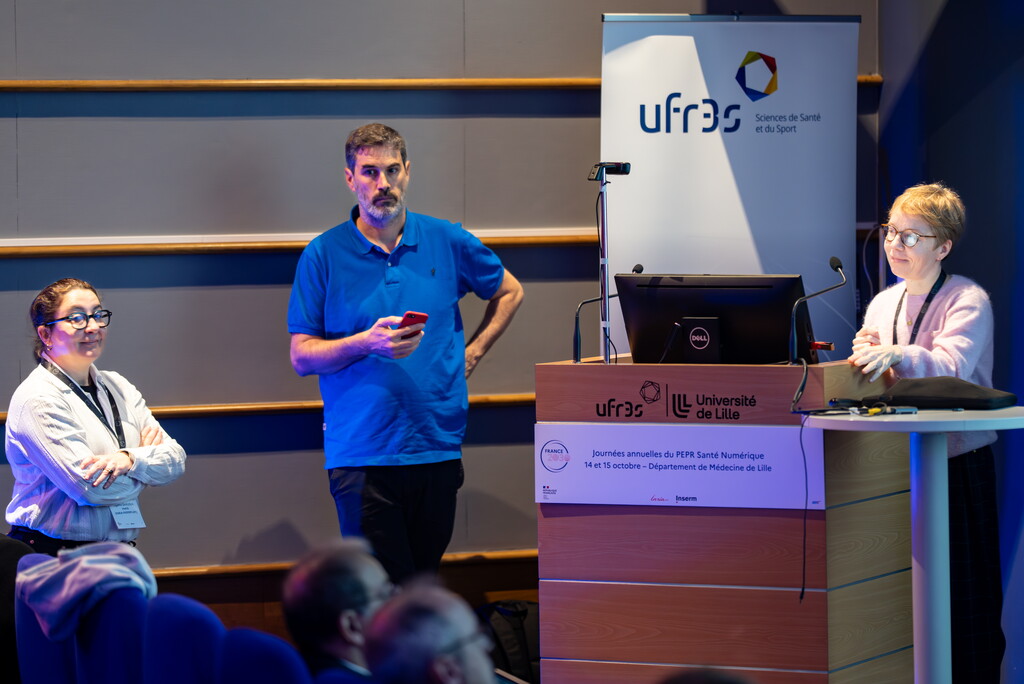
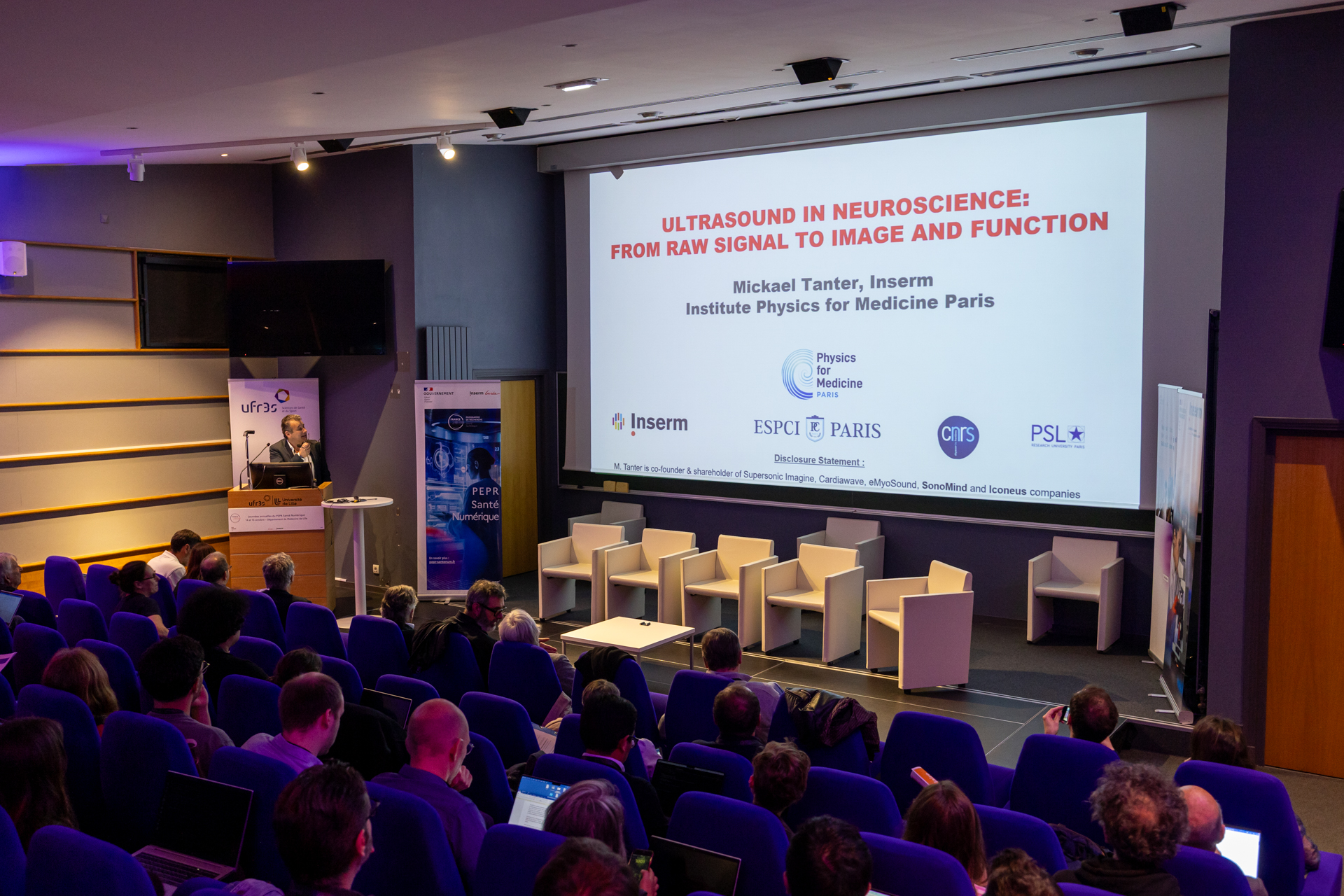
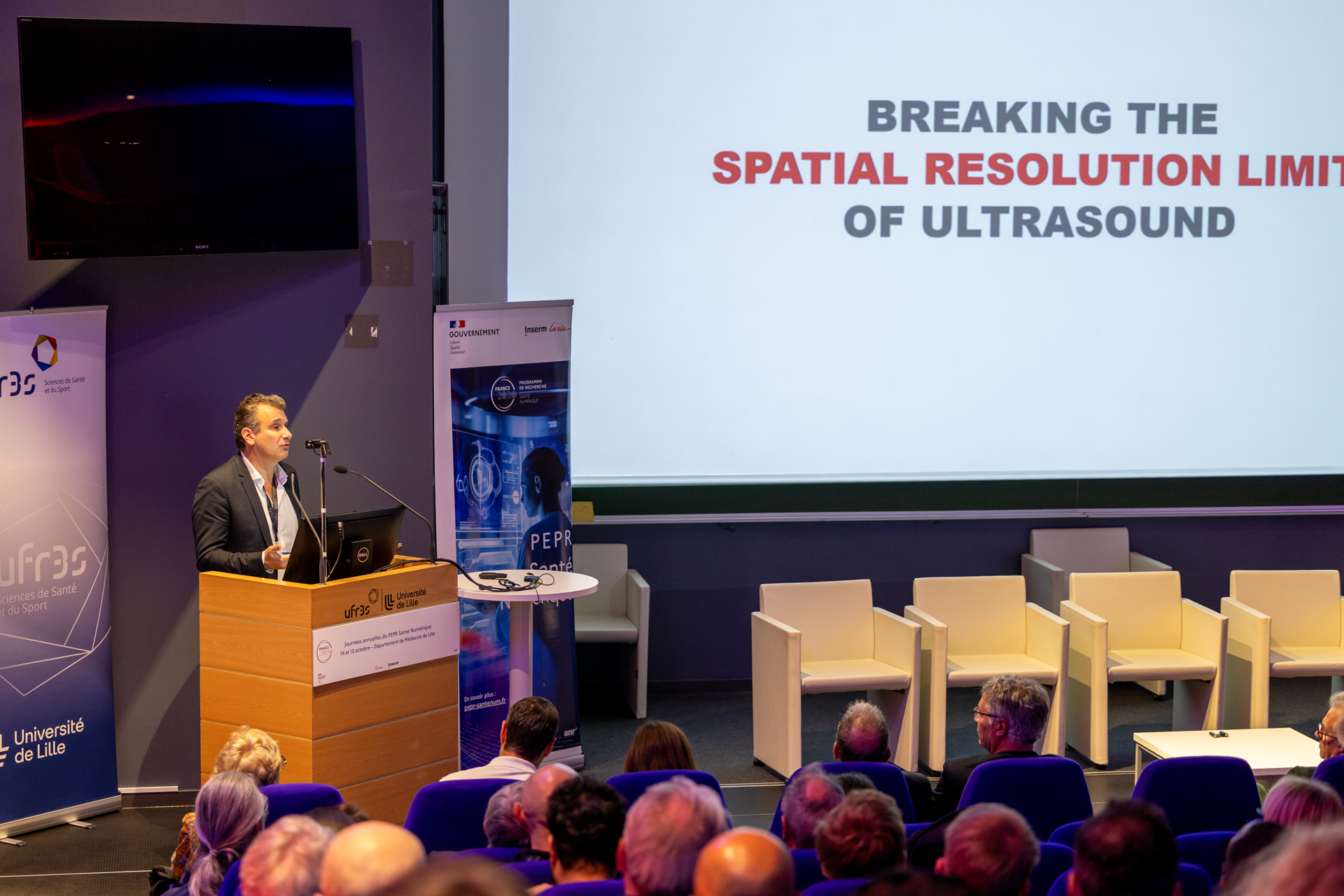
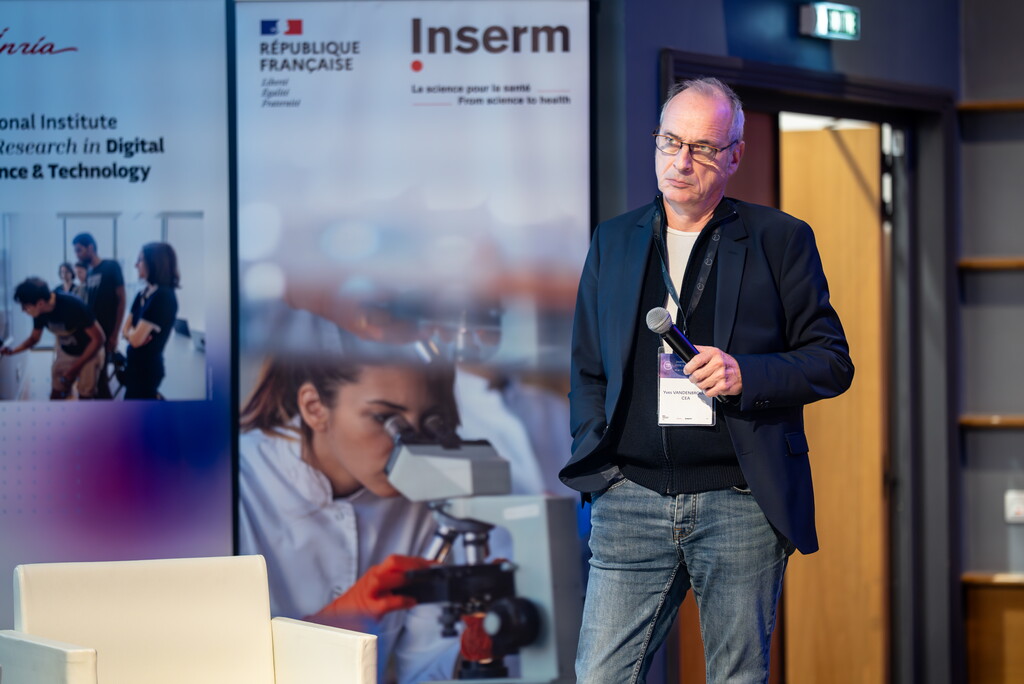
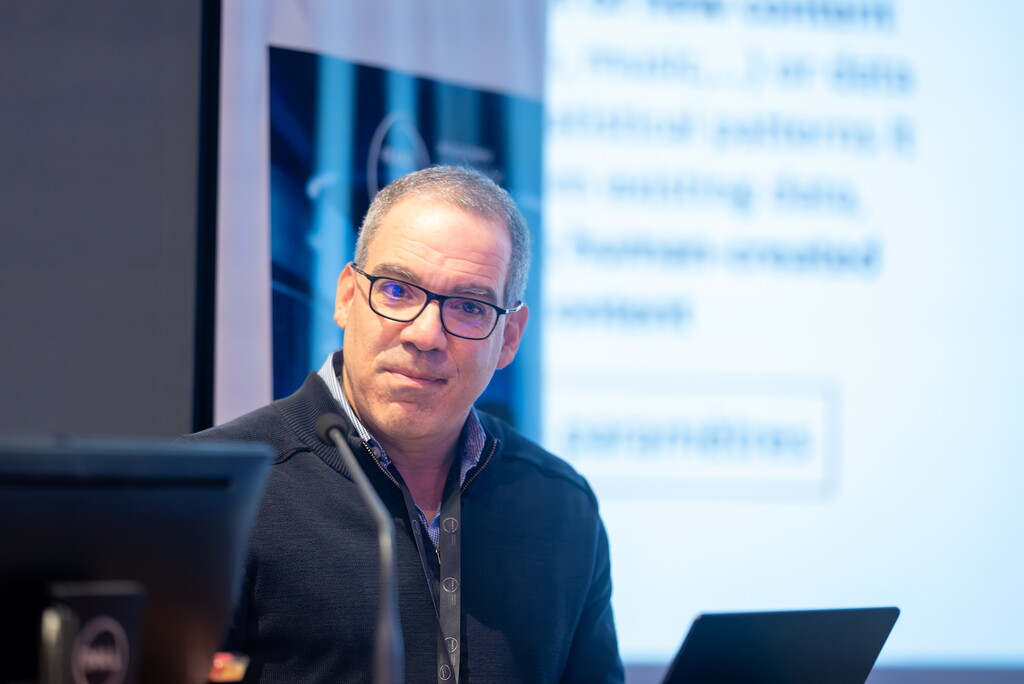
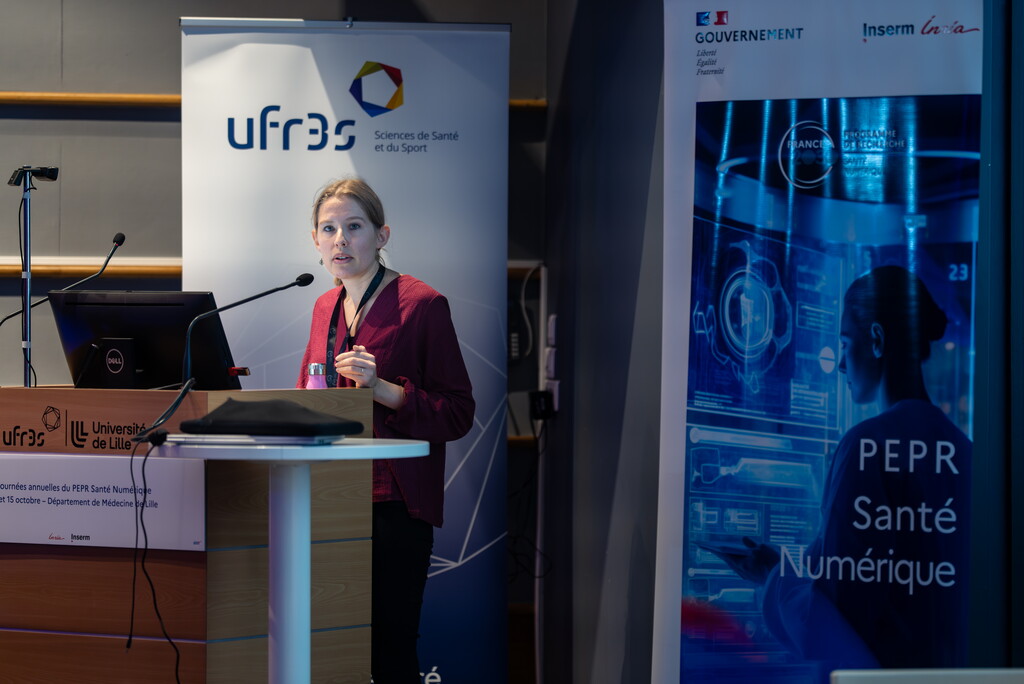
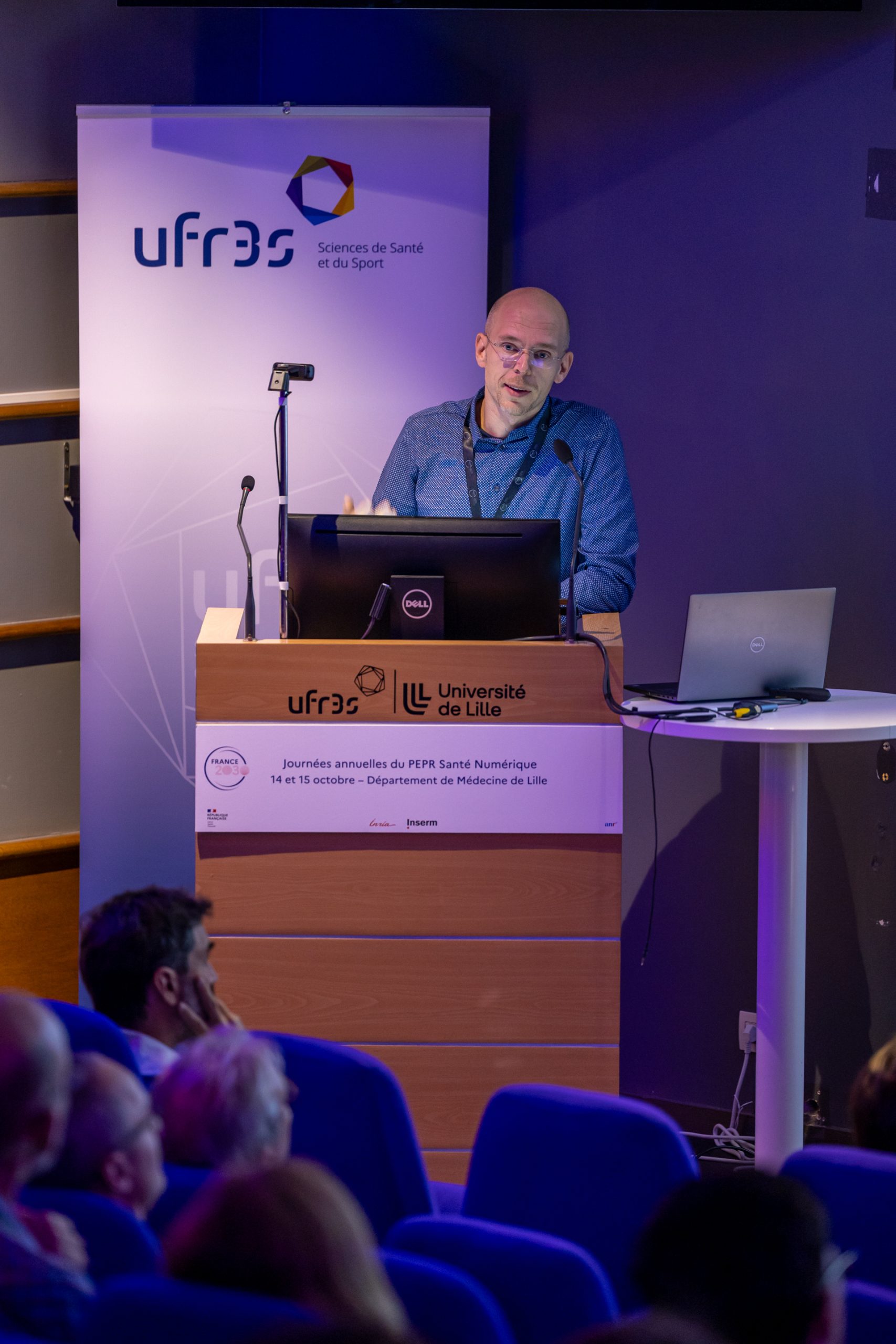
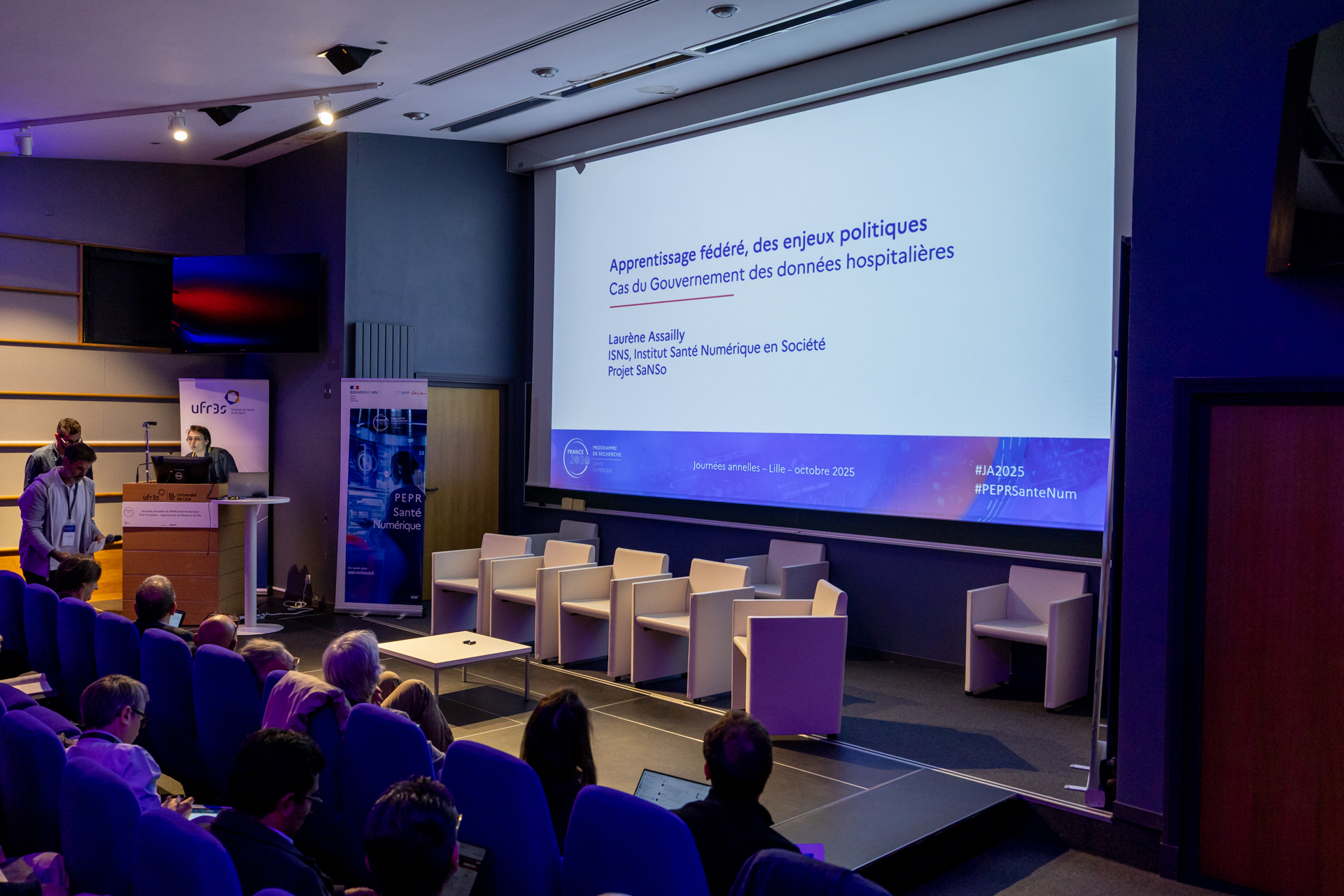
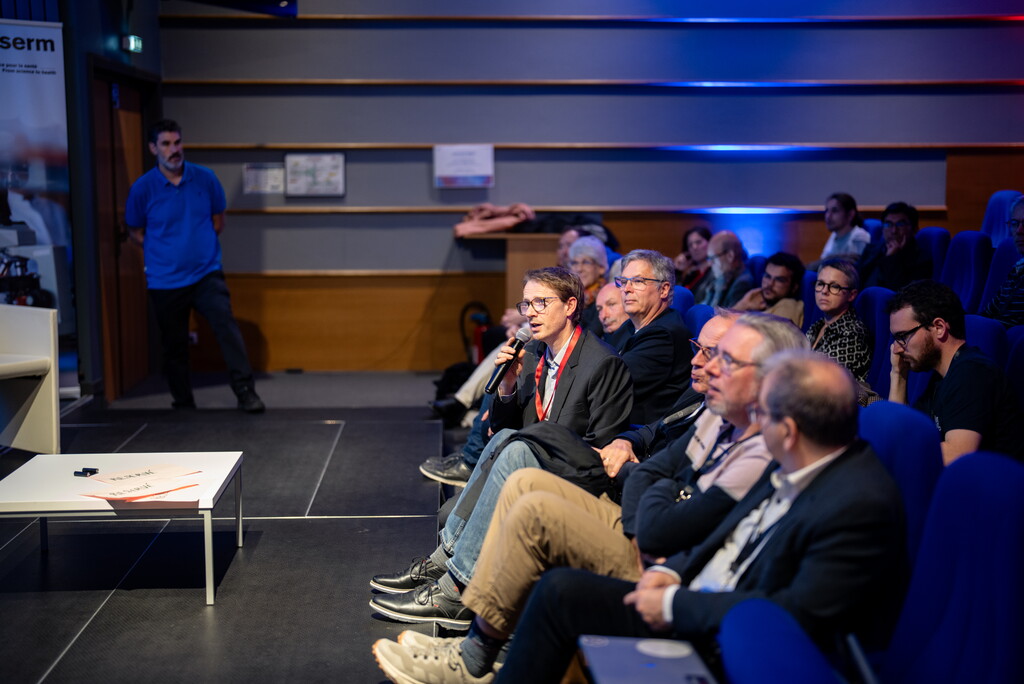
Accordingly, Mickaël Tanter (Inserm, Physics for Medicine Institute, Paris), Marco Lorenzi (Inria, EPIONE Team, Université Côte d’Azur), Evgénia Babykina (University of Lille), and Alfredo Hernandez (Inserm, LTSI U1099, University of Rennes) introduced the four thematic areas with keynote talks, followed by scientific presentations delivered to an attentive audience gathered in plenary session.

Outstanding keynote talks on cross-cutting themes

Two additional cross-cutting keynote addresses, of interest to the entire community, were also offered:

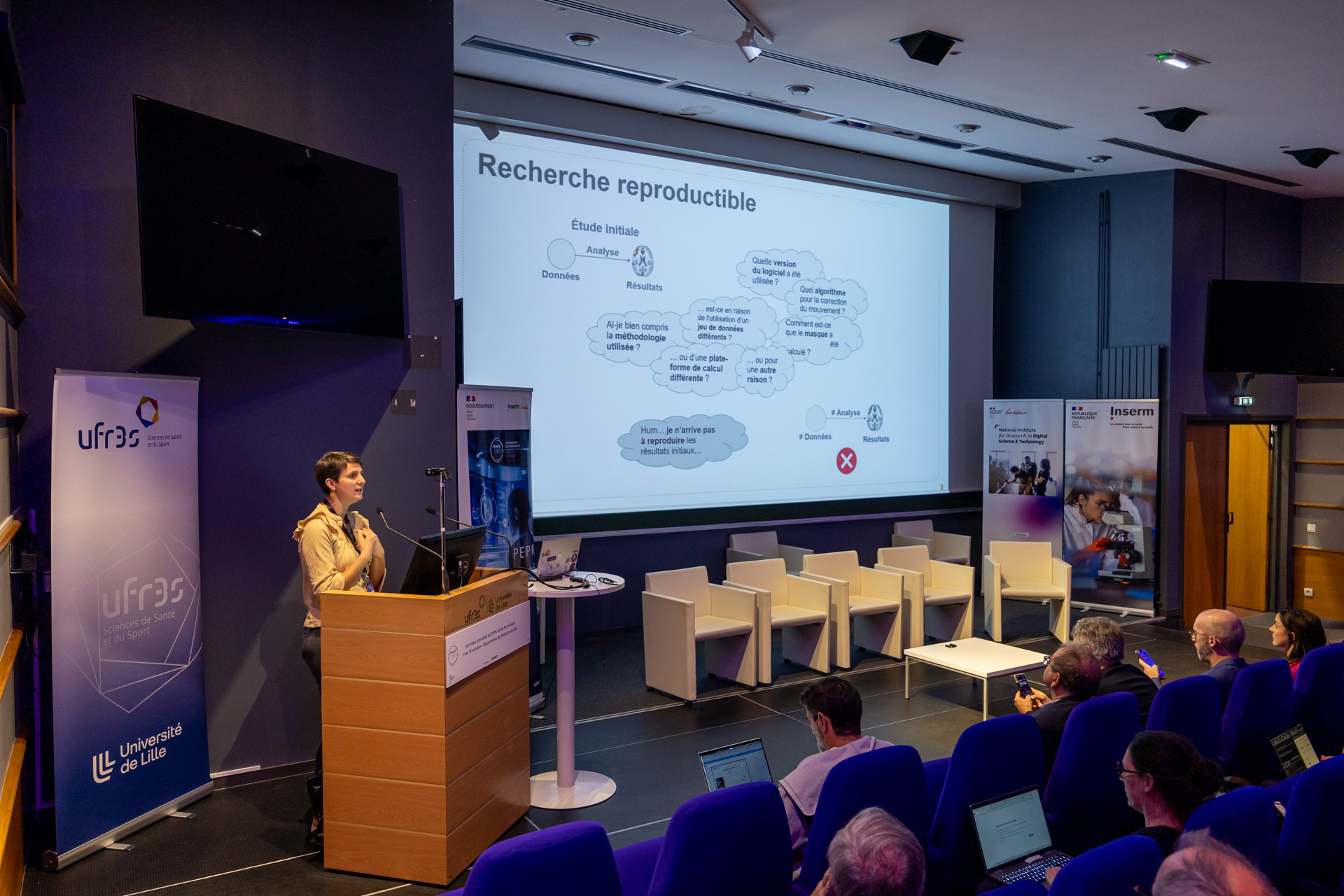
  • Camille Maumet, Research Scientist, Empenn Team (Inria, Inserm, CNRS, University of Rennes 1), on reproducibility and open science;

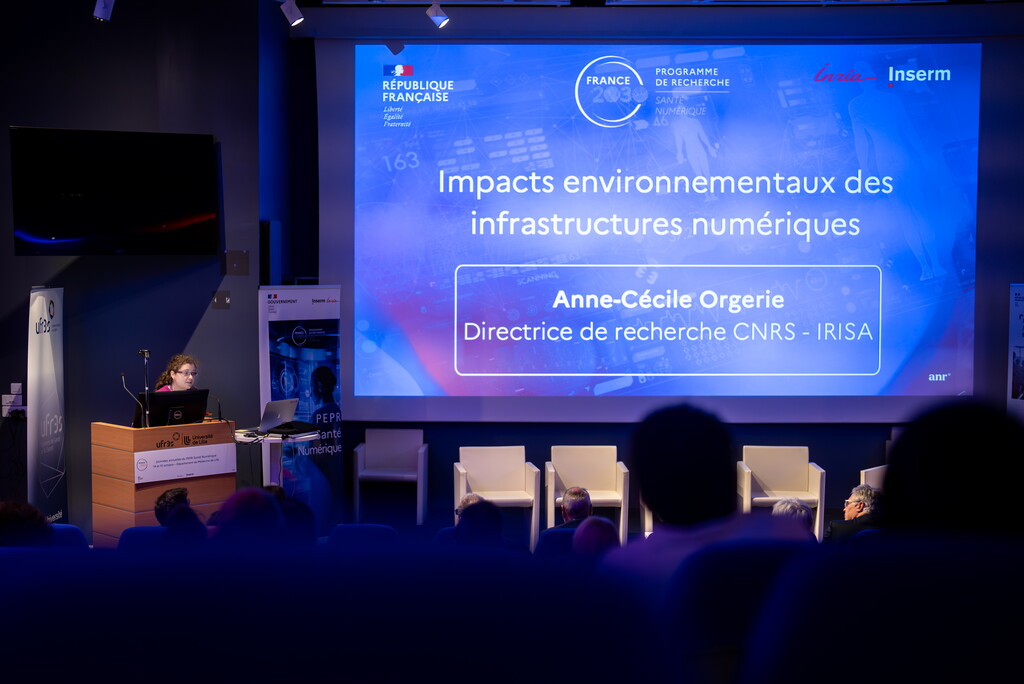
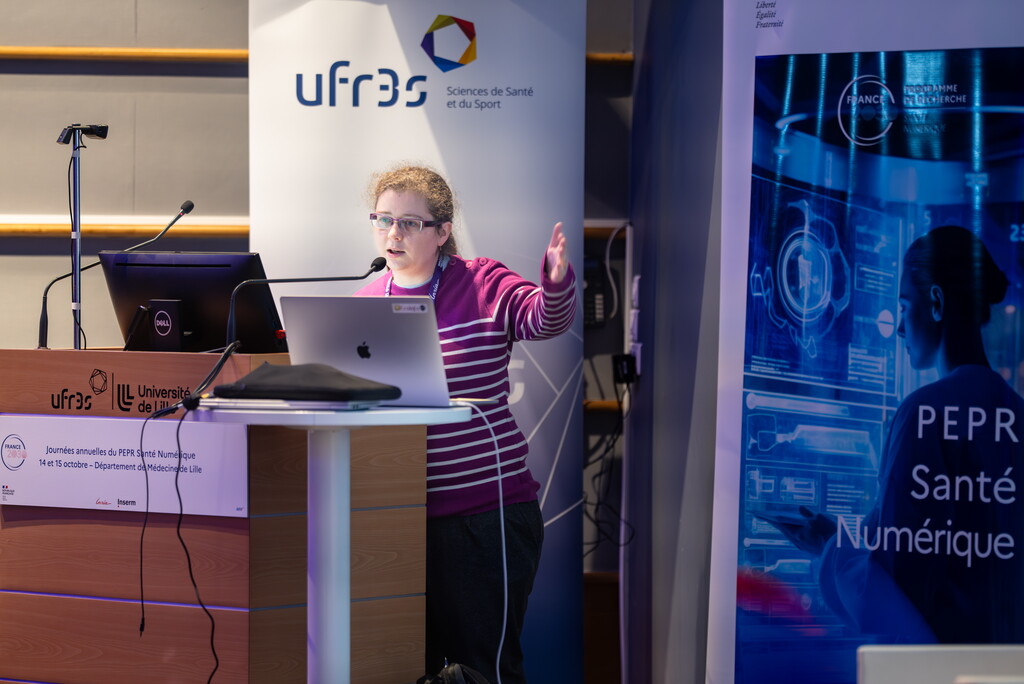
  • Anne-Cécile Orgerie, CNRS Research Director, Magellan Team (IRISA, Rennes), on frugality and digital health.
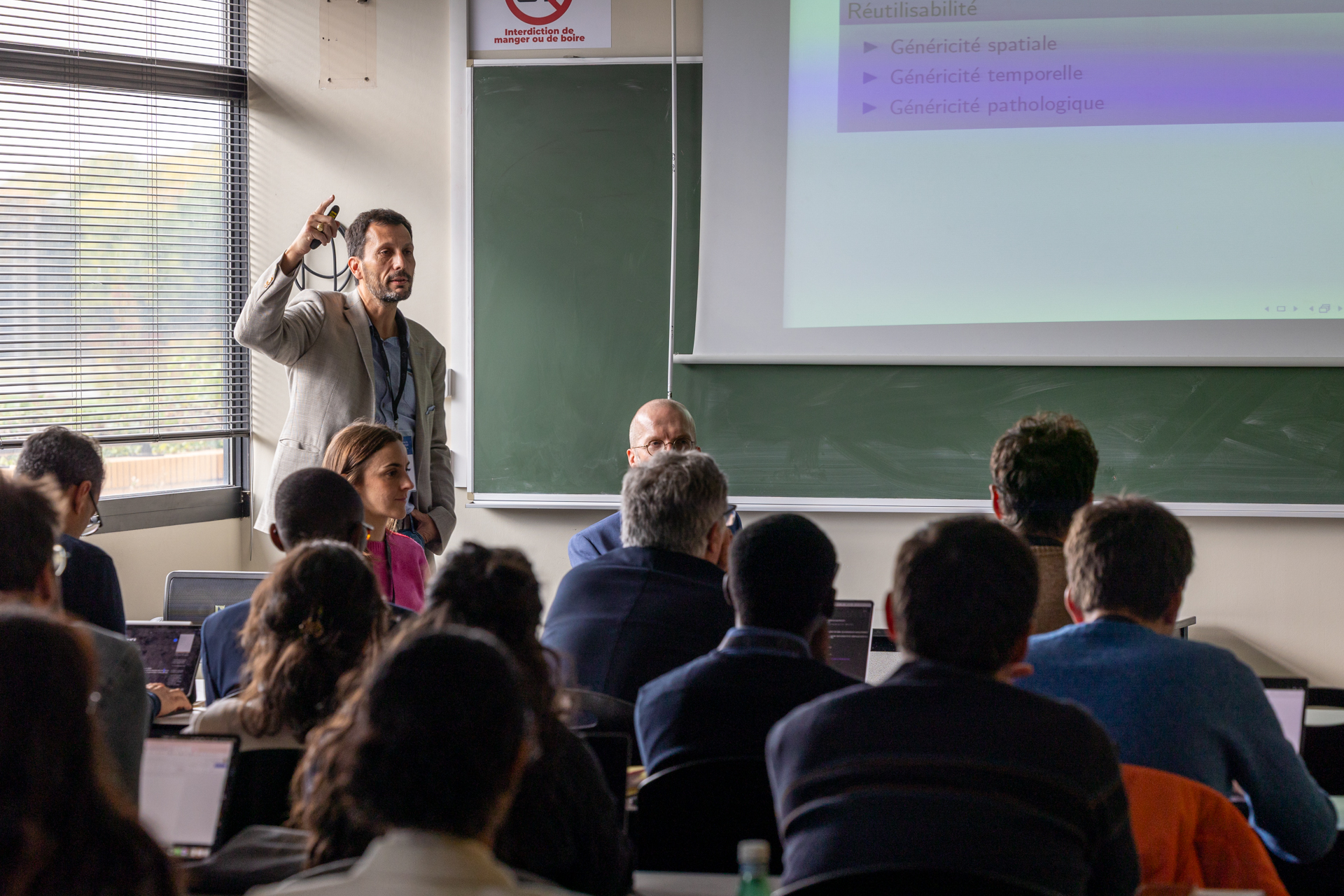
Thematic Workshops

Three parallel workshops were held and were met with great enthusiasm:

Workshop 1: How does engineering interface with research?
Facilitator: Ghislain Vaillant, Research Engineer, HeKA Joint Research Unit (Inserm, Inria, Université Paris Cité)

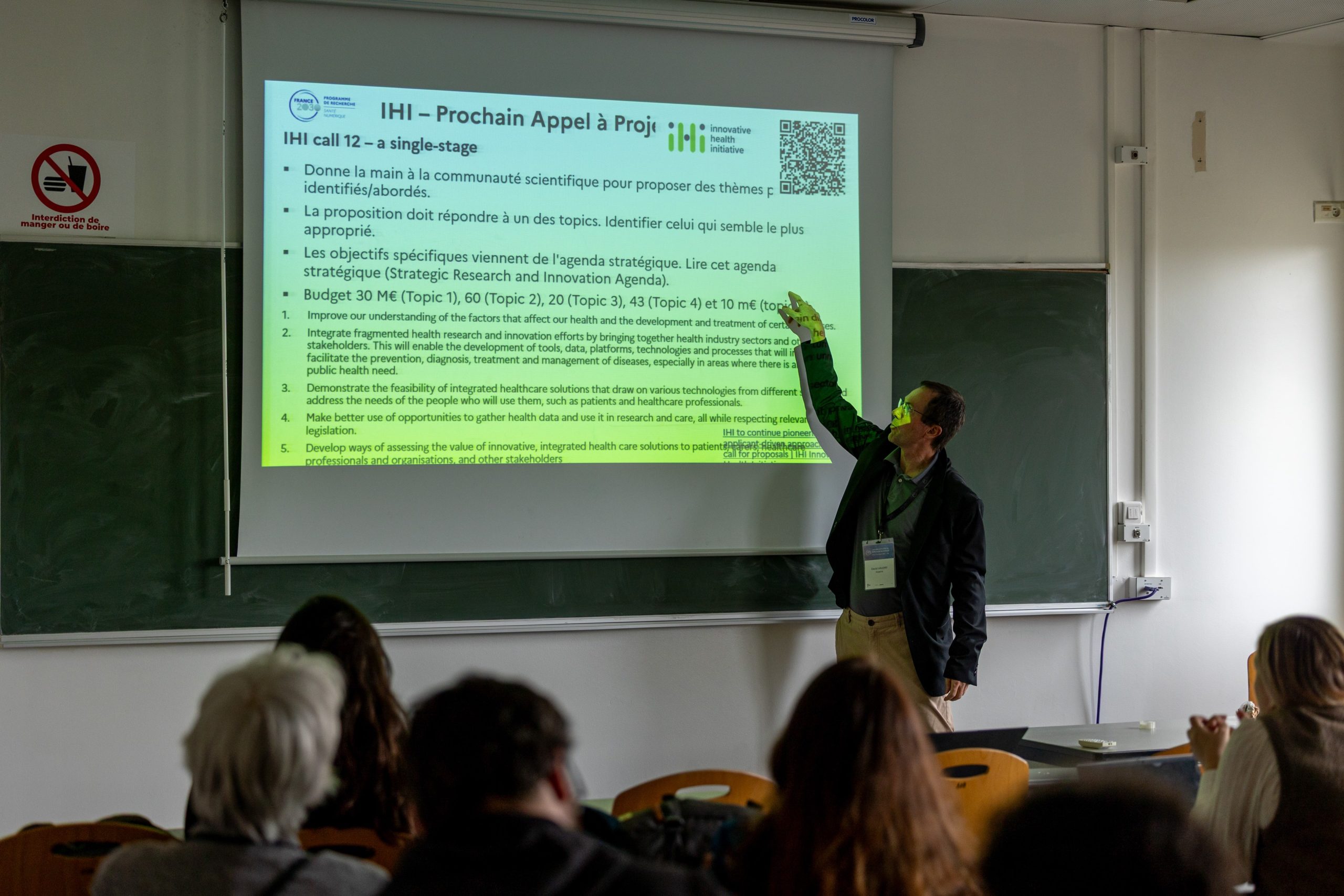
Workshop 2: Horizon Europe Program – strengthening my research through European funding
Facilitators: David Vaudry (Inserm, DPRE – European Policy and Advocacy) and Victoria Dominguez Del Angel (Scientific Project Manager, Inria)

Workshop 3: Organizational digital twins
Facilitator: Thierry Garaix, Head of the I4S Department, École des Mines Saint-Étienne, Work Package Lead for the SAFEPAW project

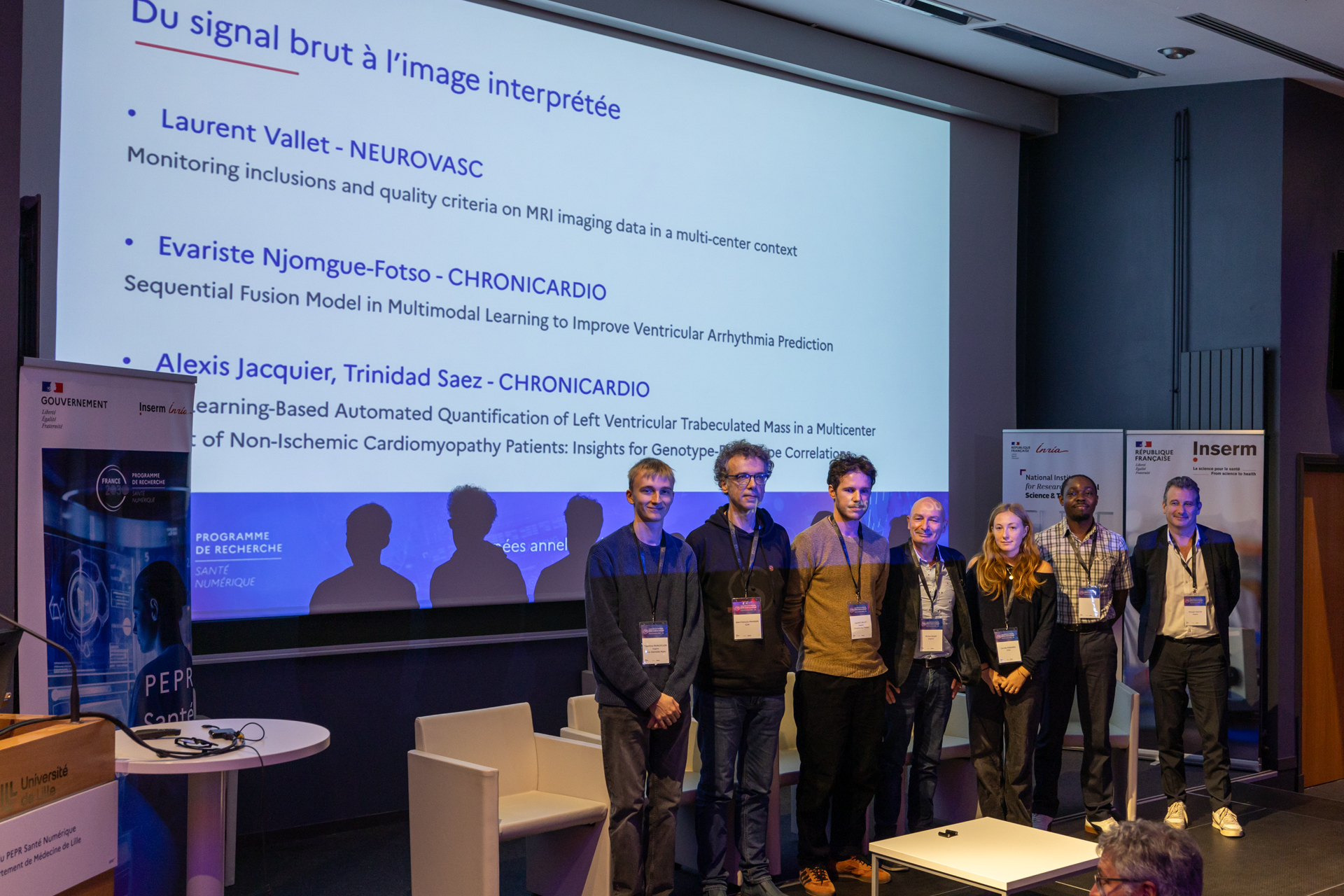
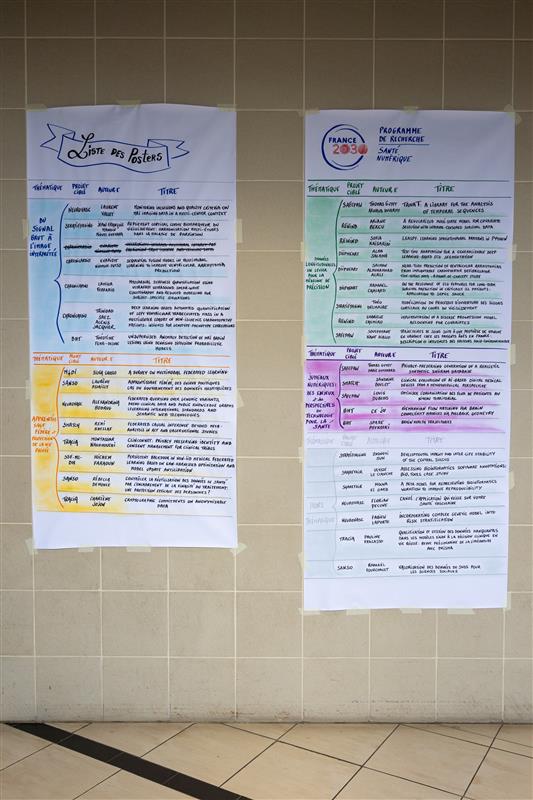
A successful poster call: 35 posters displayed, 12 highlighted

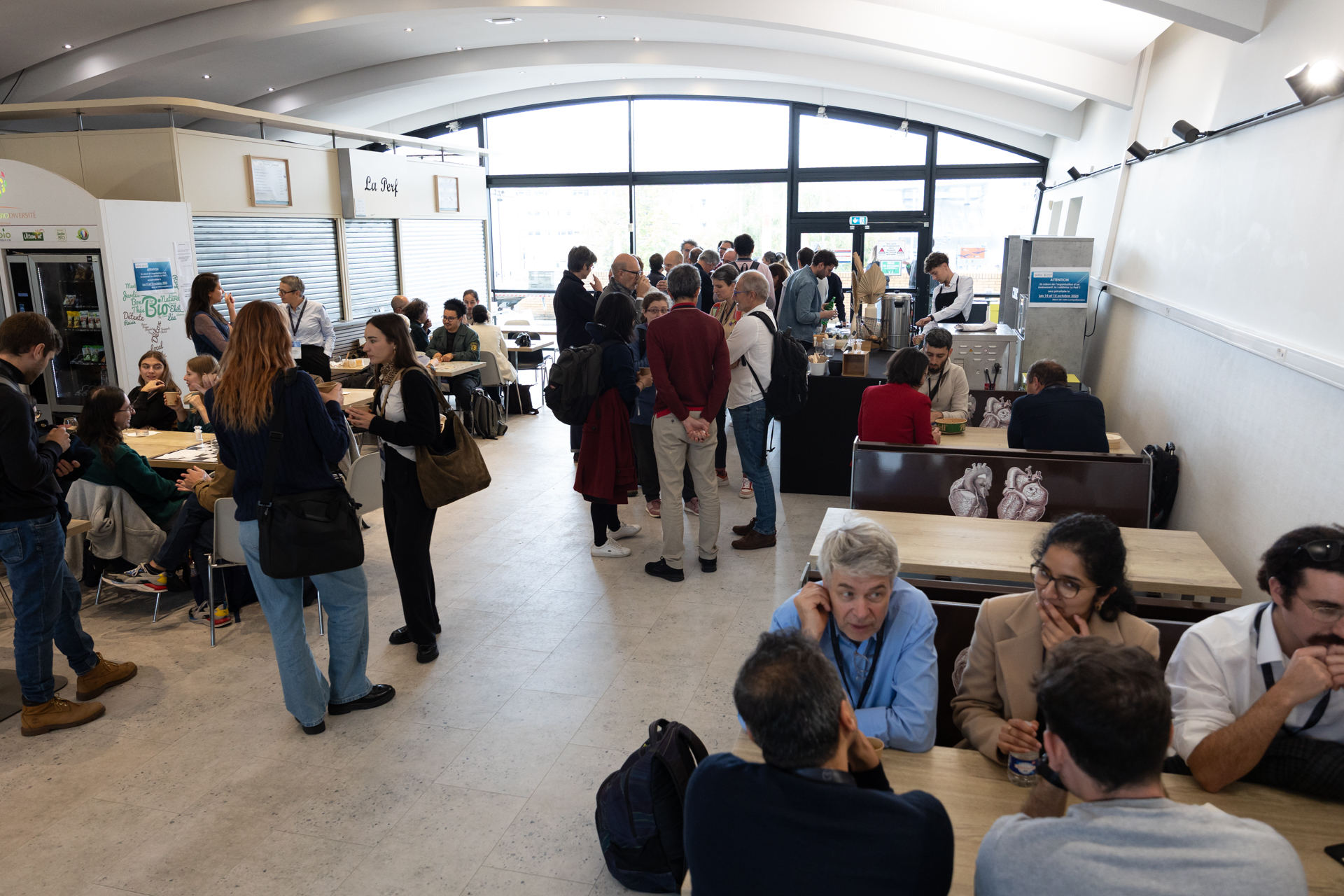
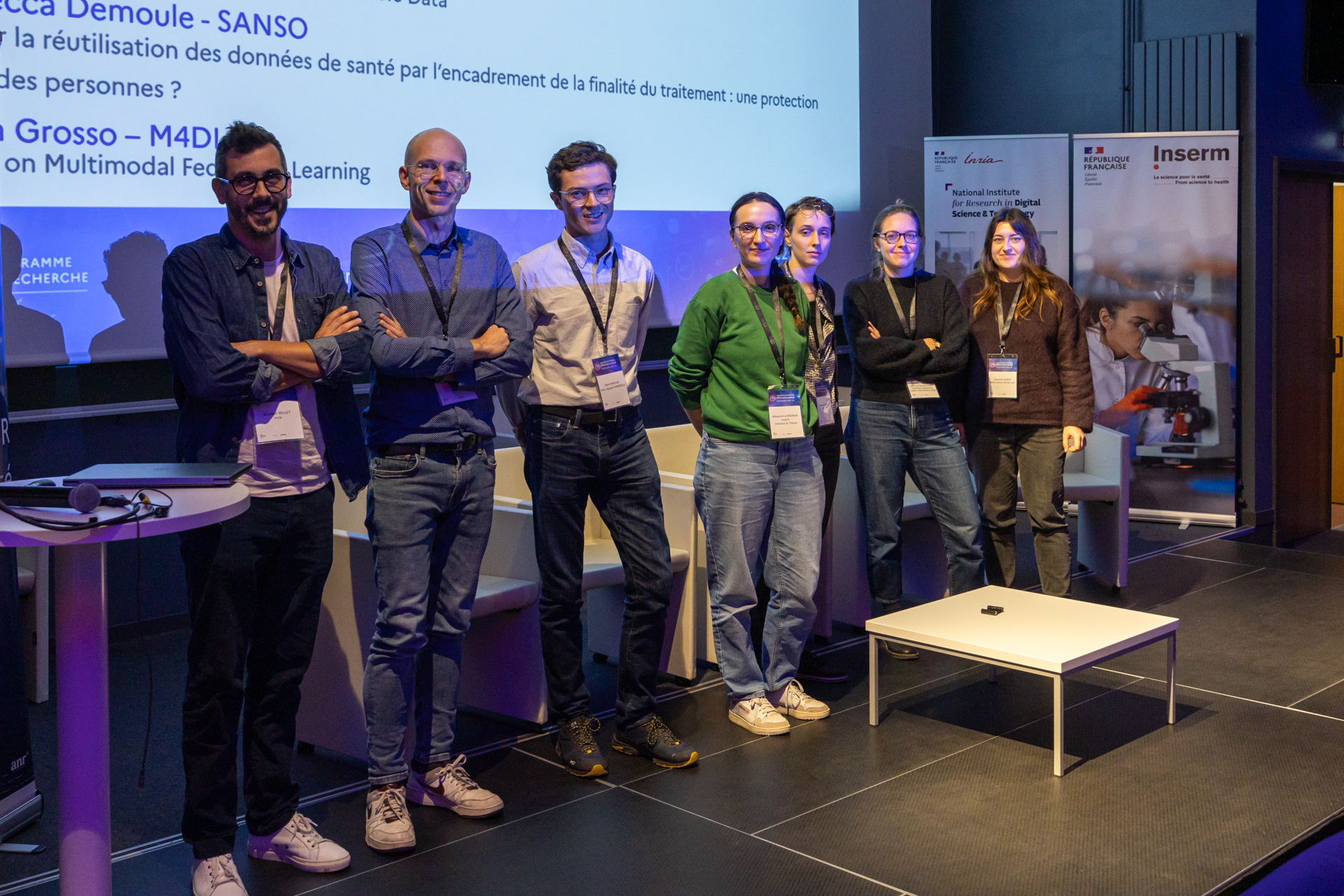
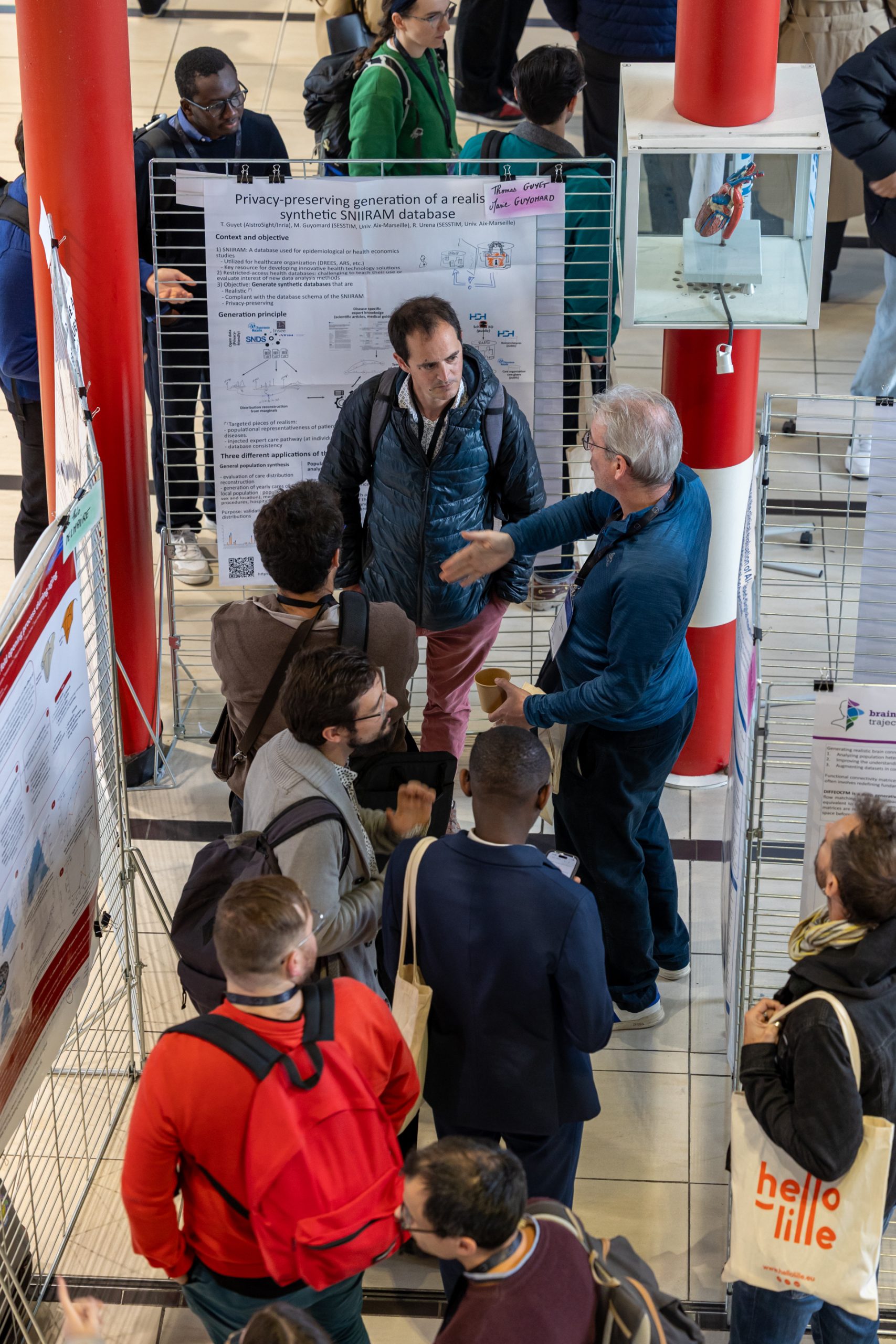
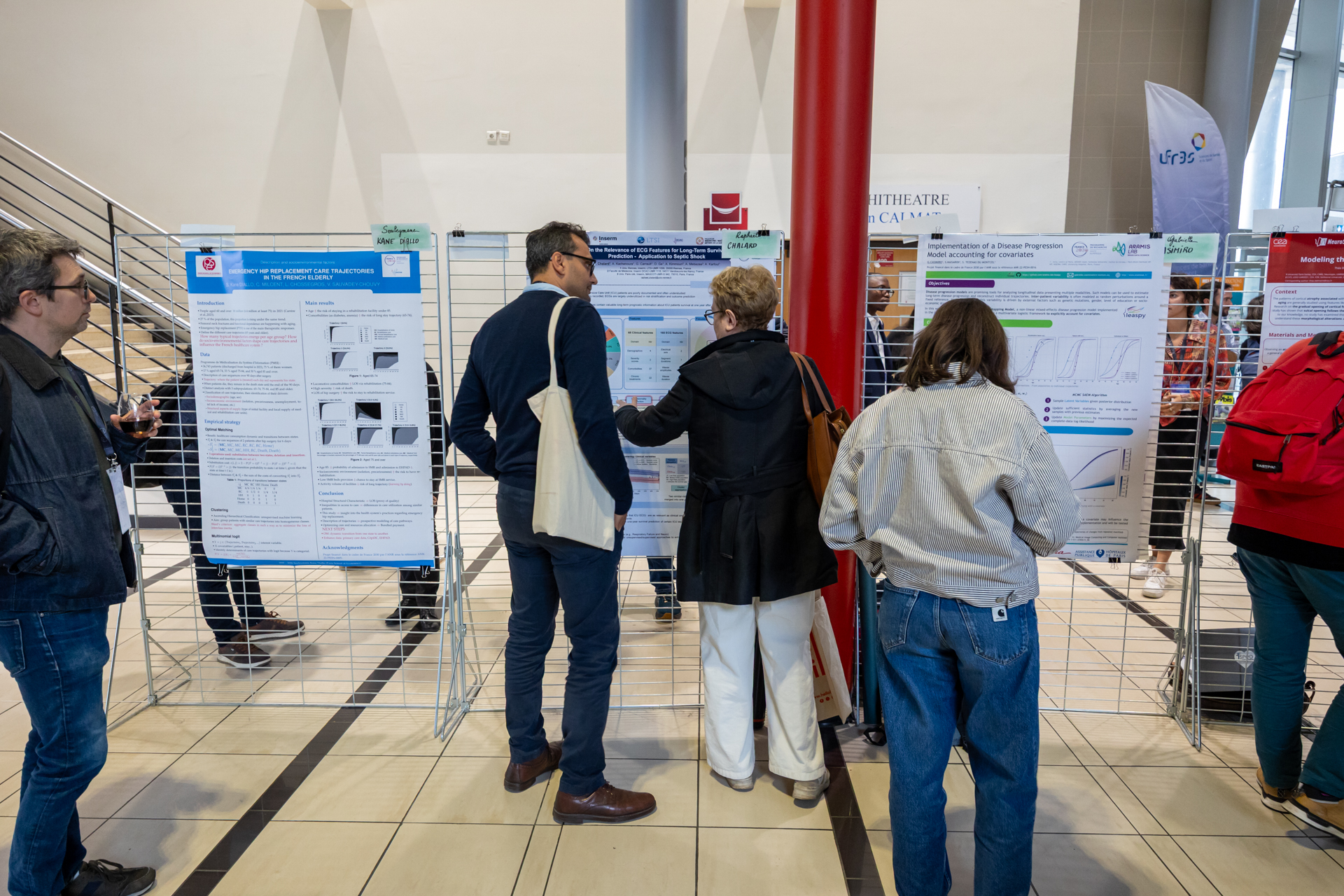
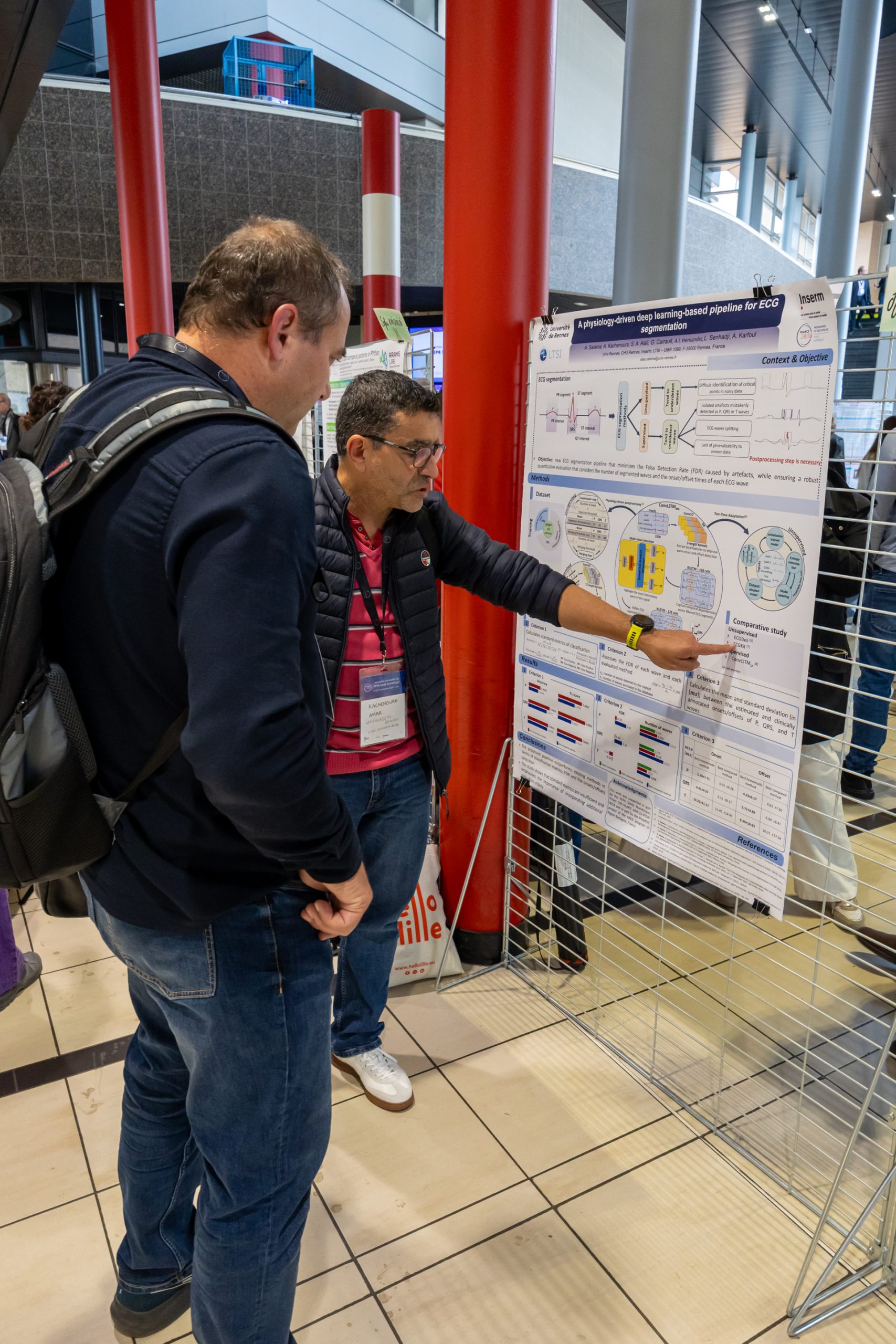
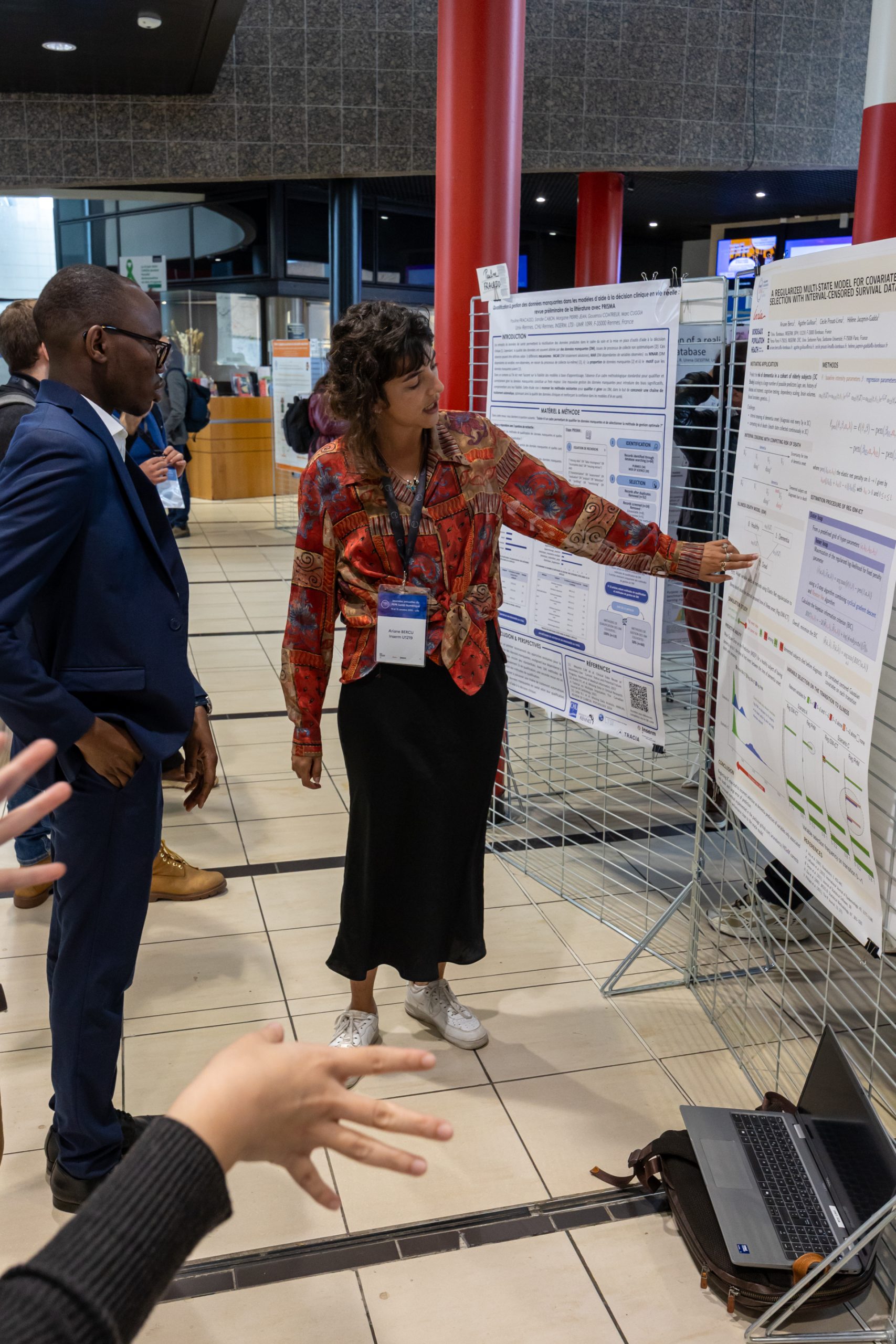
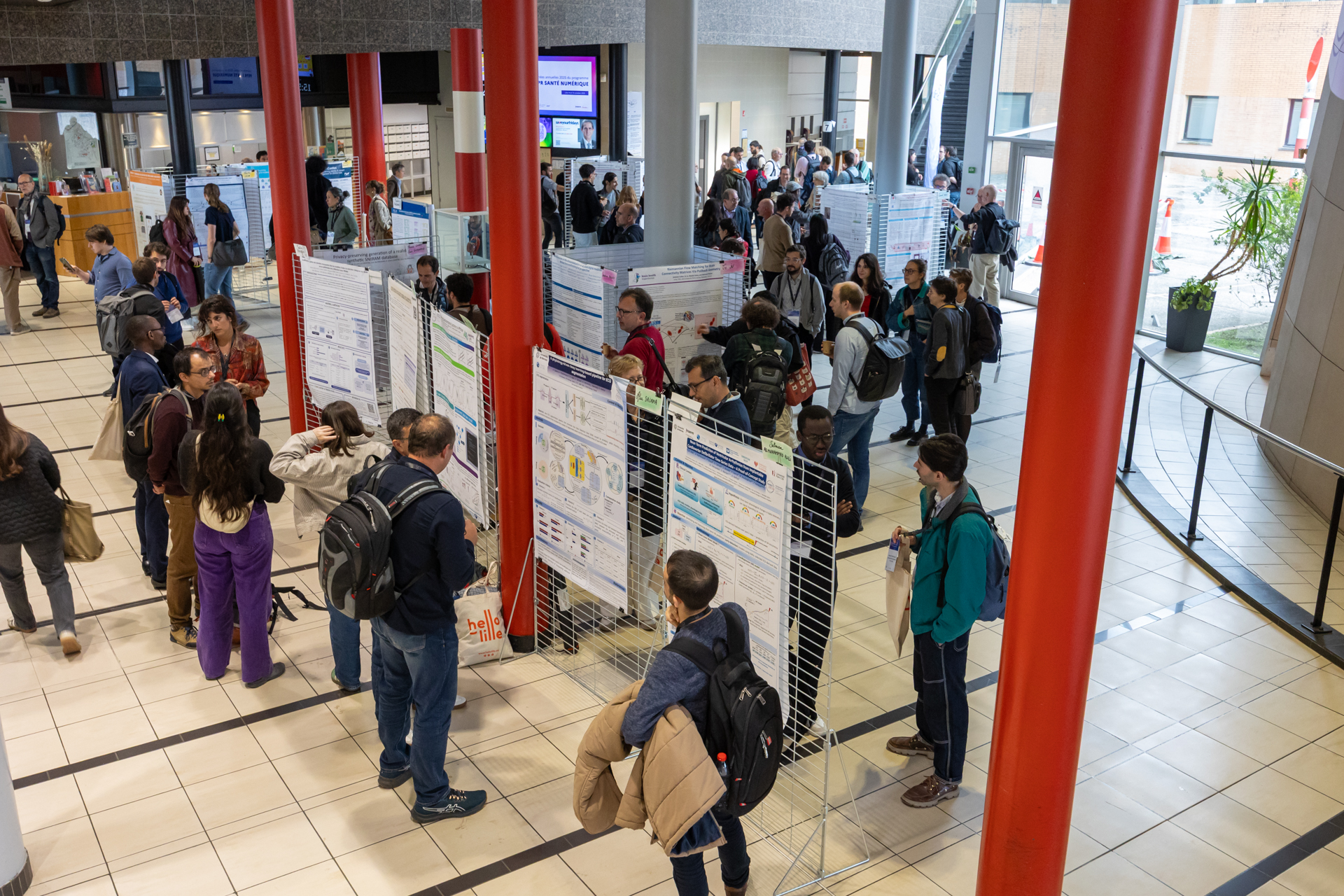
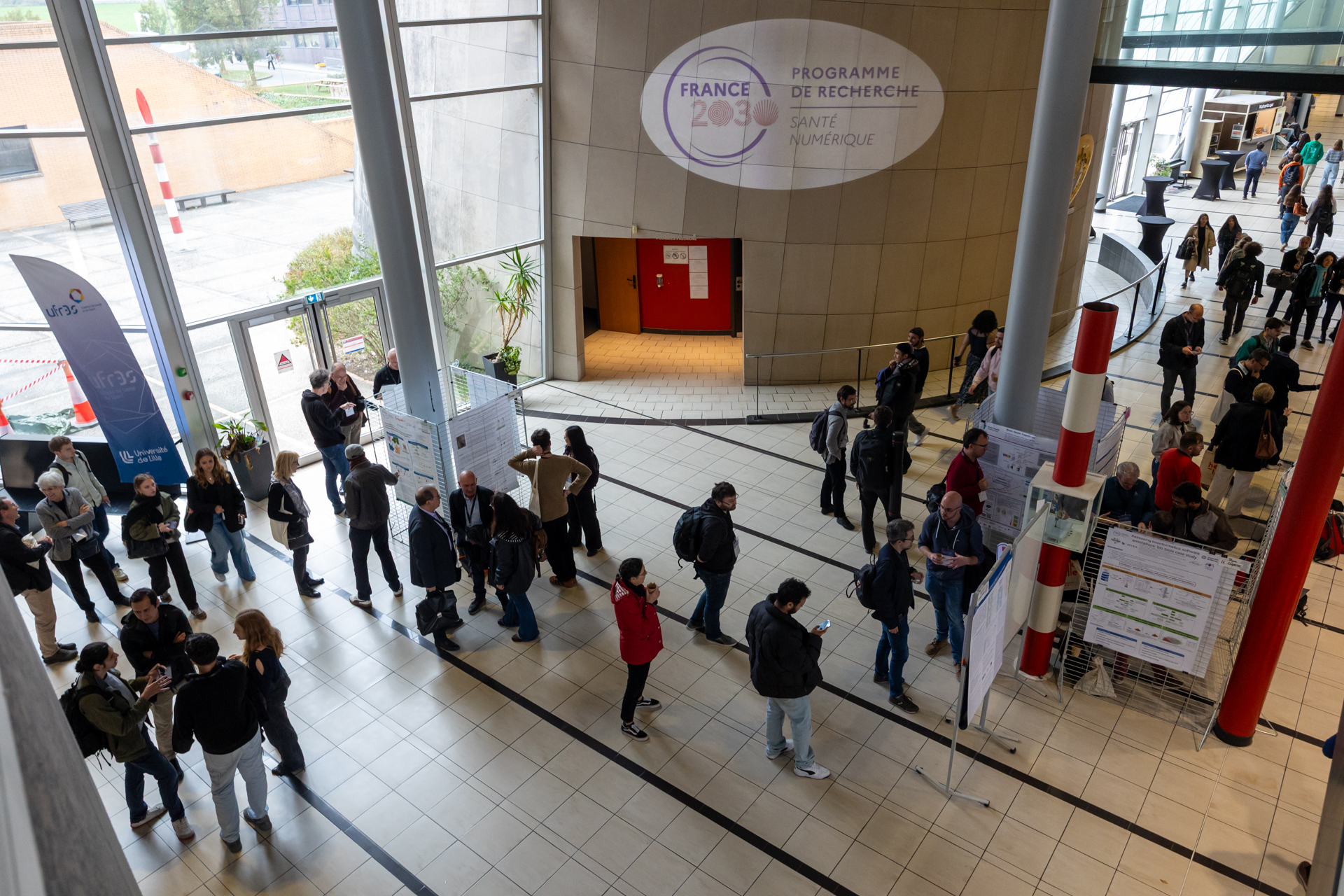
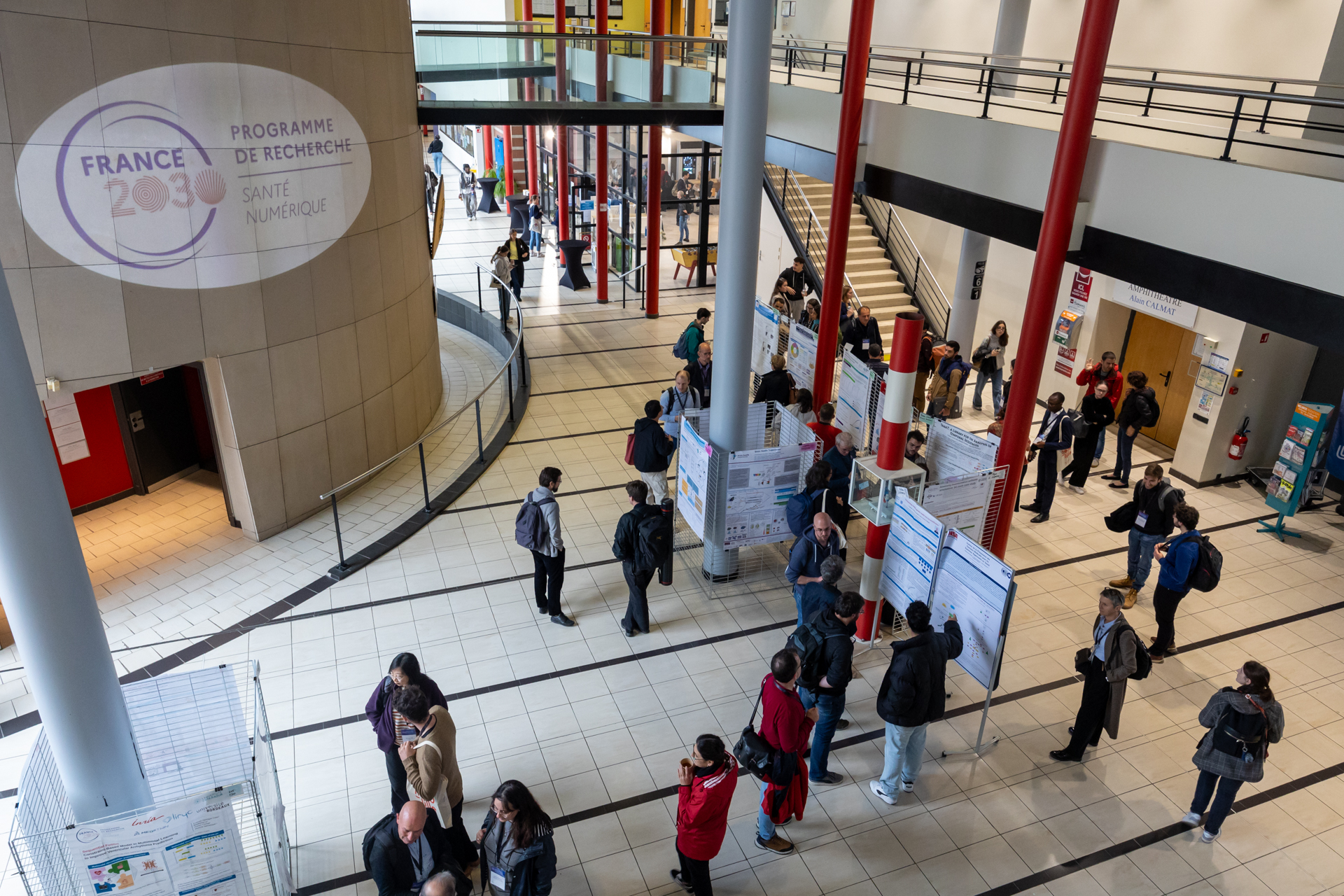
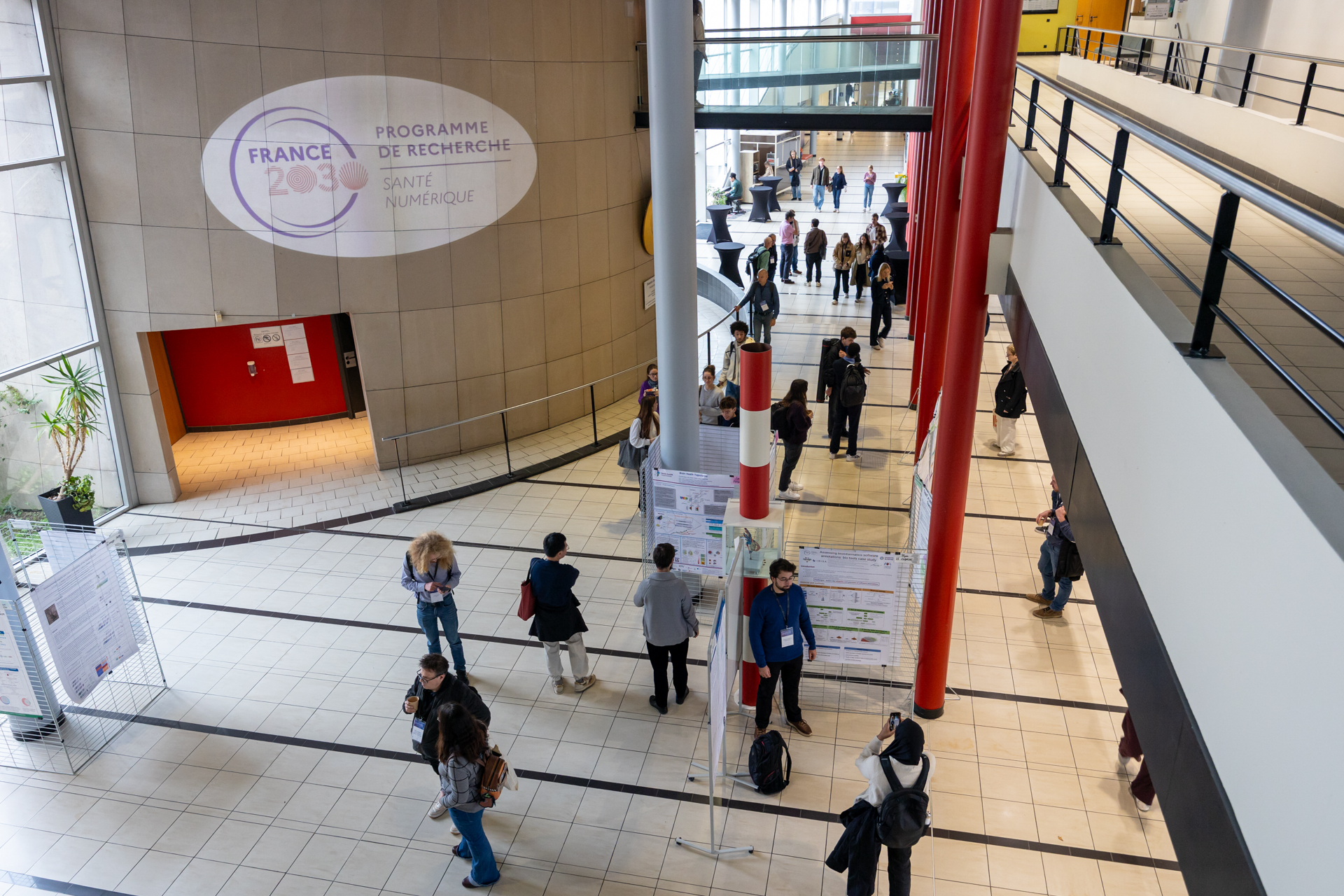
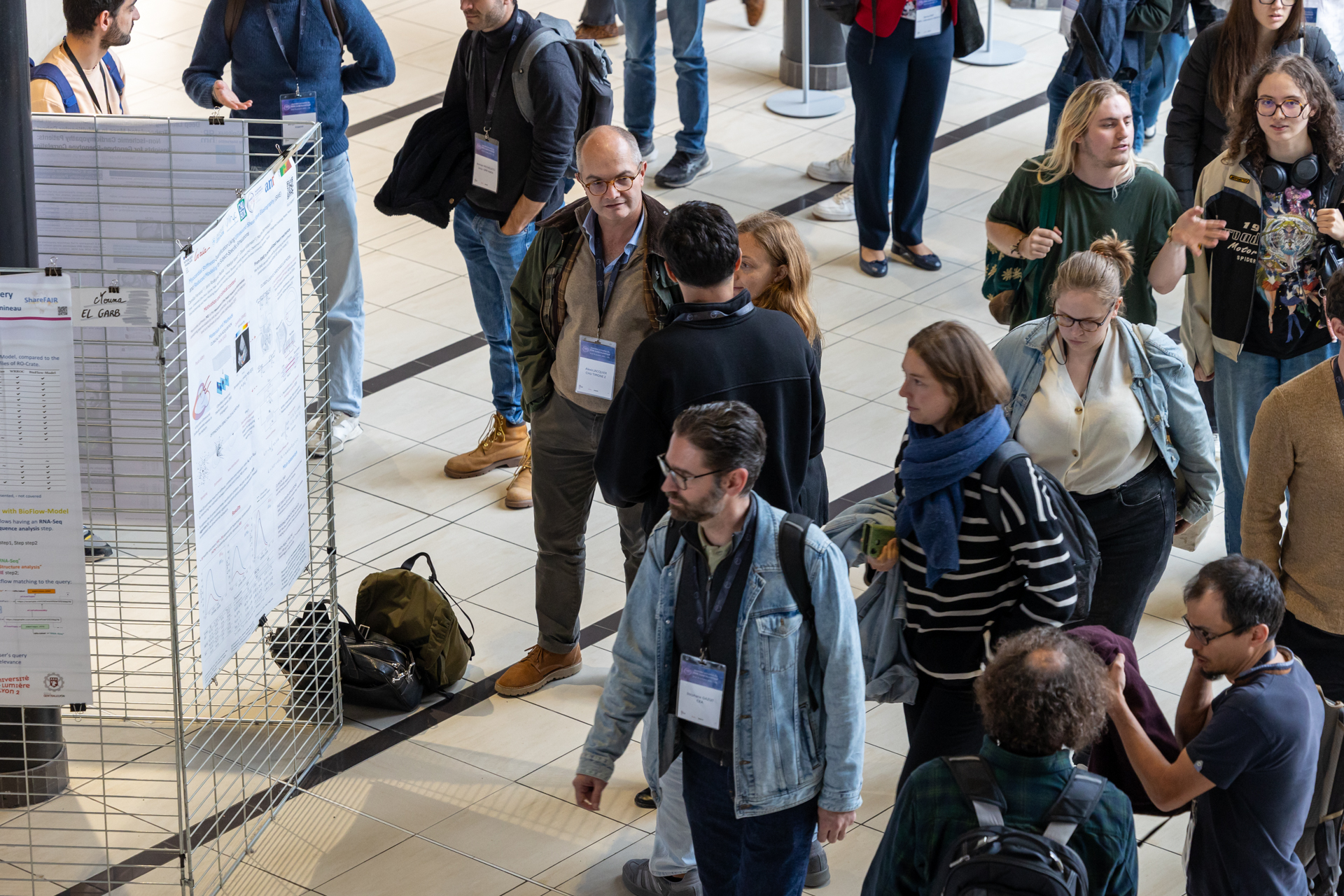
For the first time, a call for posters was launched across the PEPR’s 17 priority projects. In total, 35 posters were submitted, approved, and displayed for two days in the main hall of the UFR3S Training Center, gaining strong visibility among the PEPR community, participating engineers, and UFR3S students.

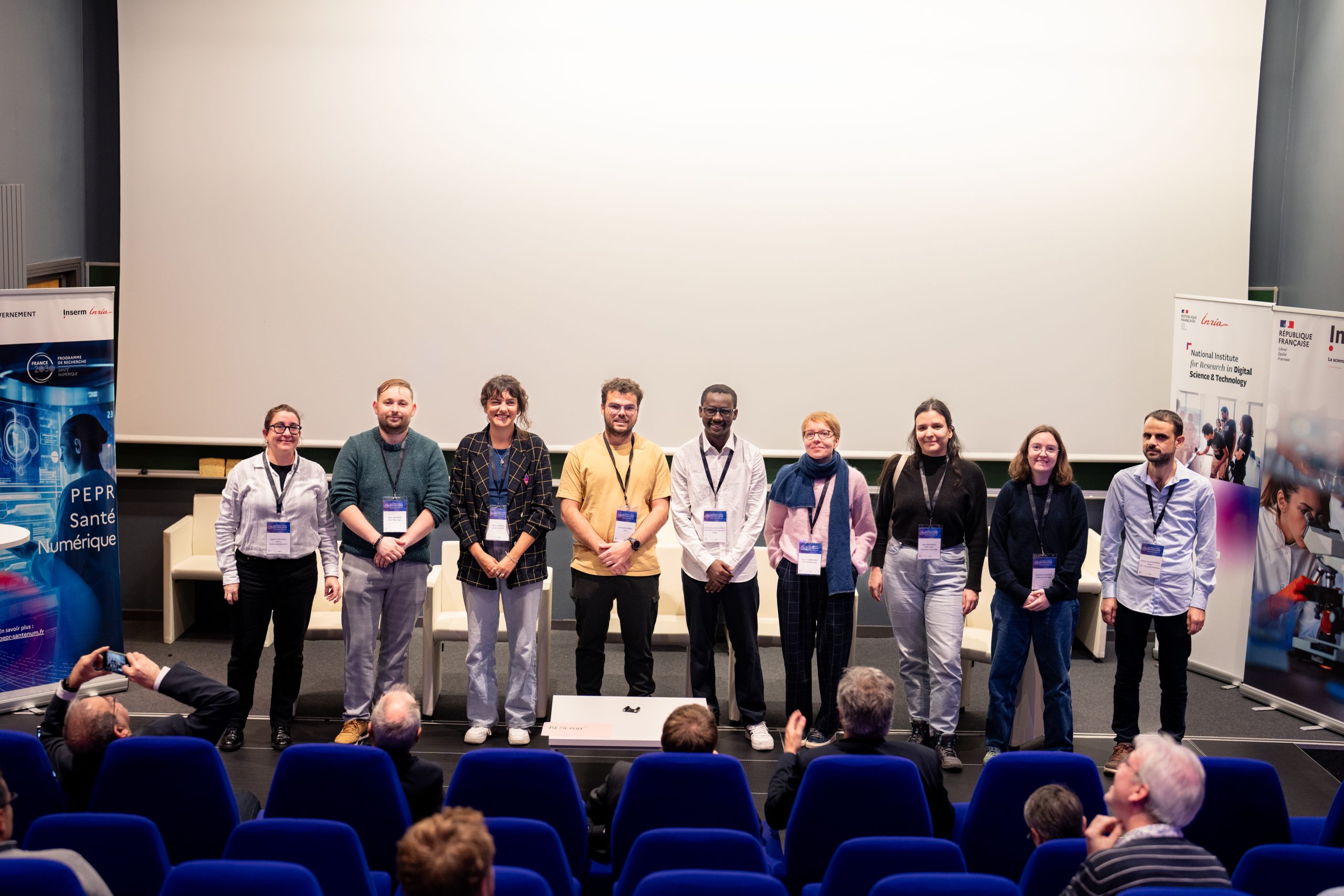
A selection committee chose 12 posters — three per thematic area — which were presented and showcased during the plenary session.
Digital Health Acceleration Strategy

A dedicated session focused on the Digital Health Acceleration Strategy. Aymeric Perchant, Interministerial Coordinator for the DHAS, presented the progress of the strategy and upcoming initiatives, followed by three examples of programs complementary to the PEPR:

CMA – Future Skills and Professions: Vincent Sobanski (University of Lille) presented the CAPS’UL project, the Participatory Digital Health Campus.

Experimental Living Labs: Sylvia Pelayo (University of Lille, Lille University Hospital CIC-IT) presented the IN-CITU living lab, dedicated to real-world evaluation of digital health solutions.

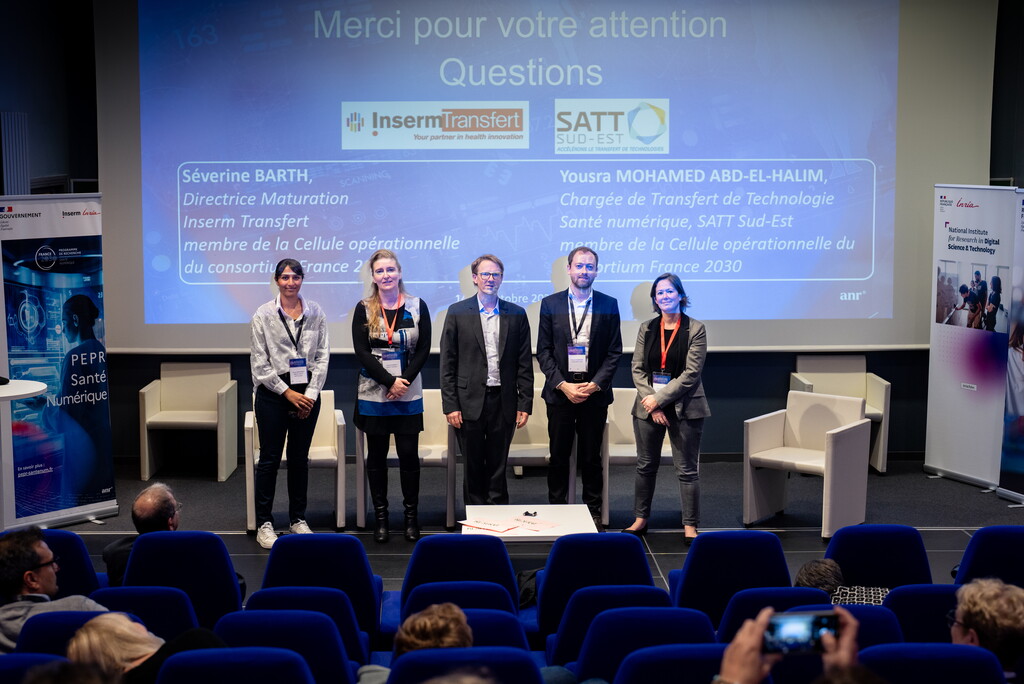
COMS@N Consortium – Pre-maturation/Maturation: Séverine Barth (Inserm Transfert) and Yousra Mohamed Abd-El-Halim (SATT Sud-Est) introduced the Consortium for Digital Health Maturation, aimed at structuring innovative projects and enhancing international competitiveness.

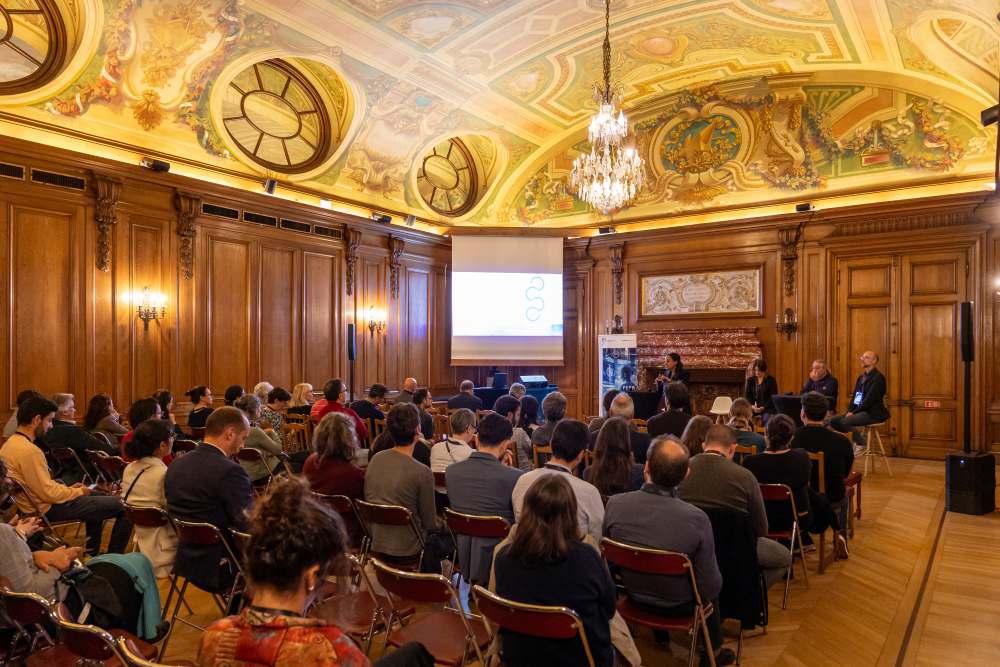
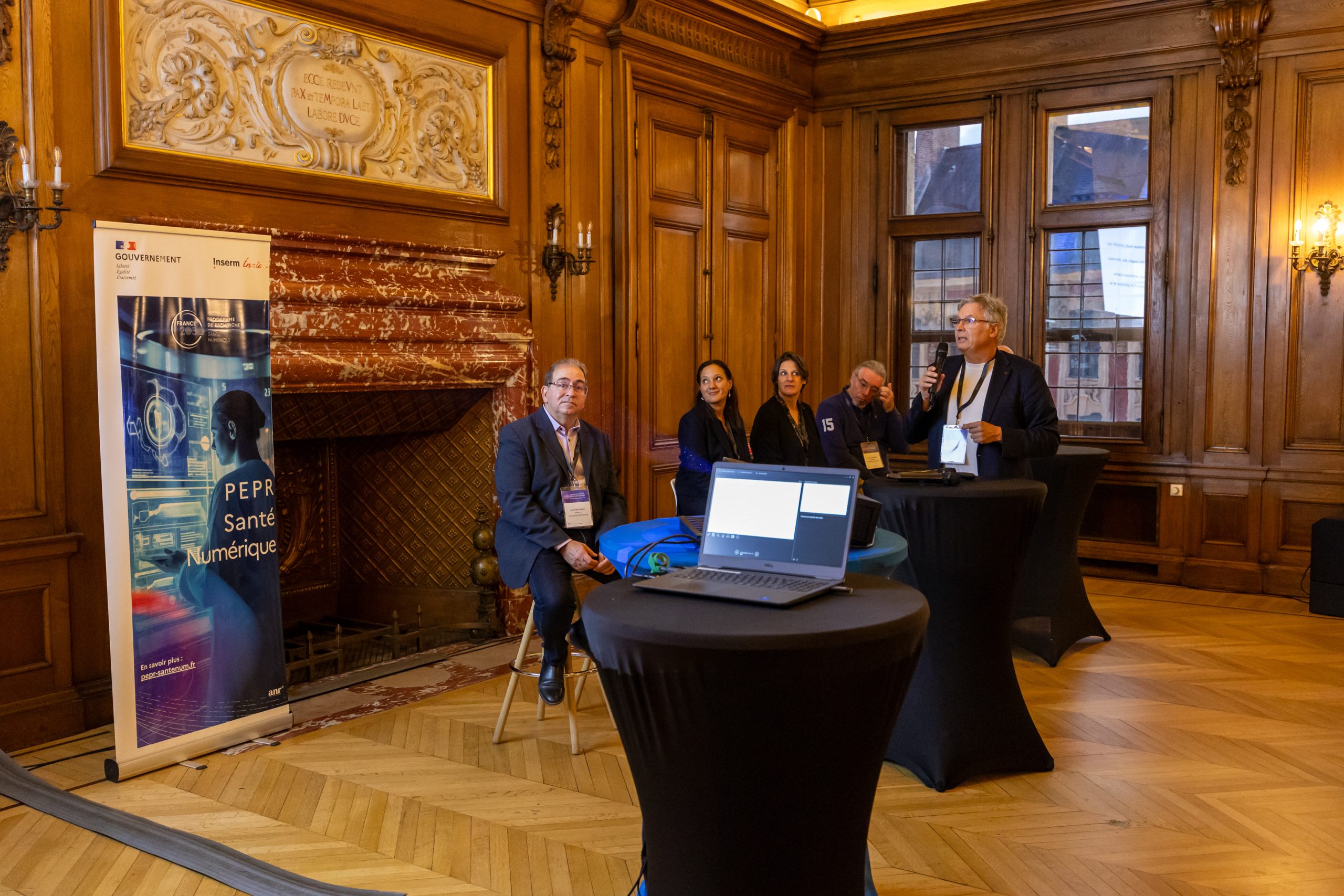
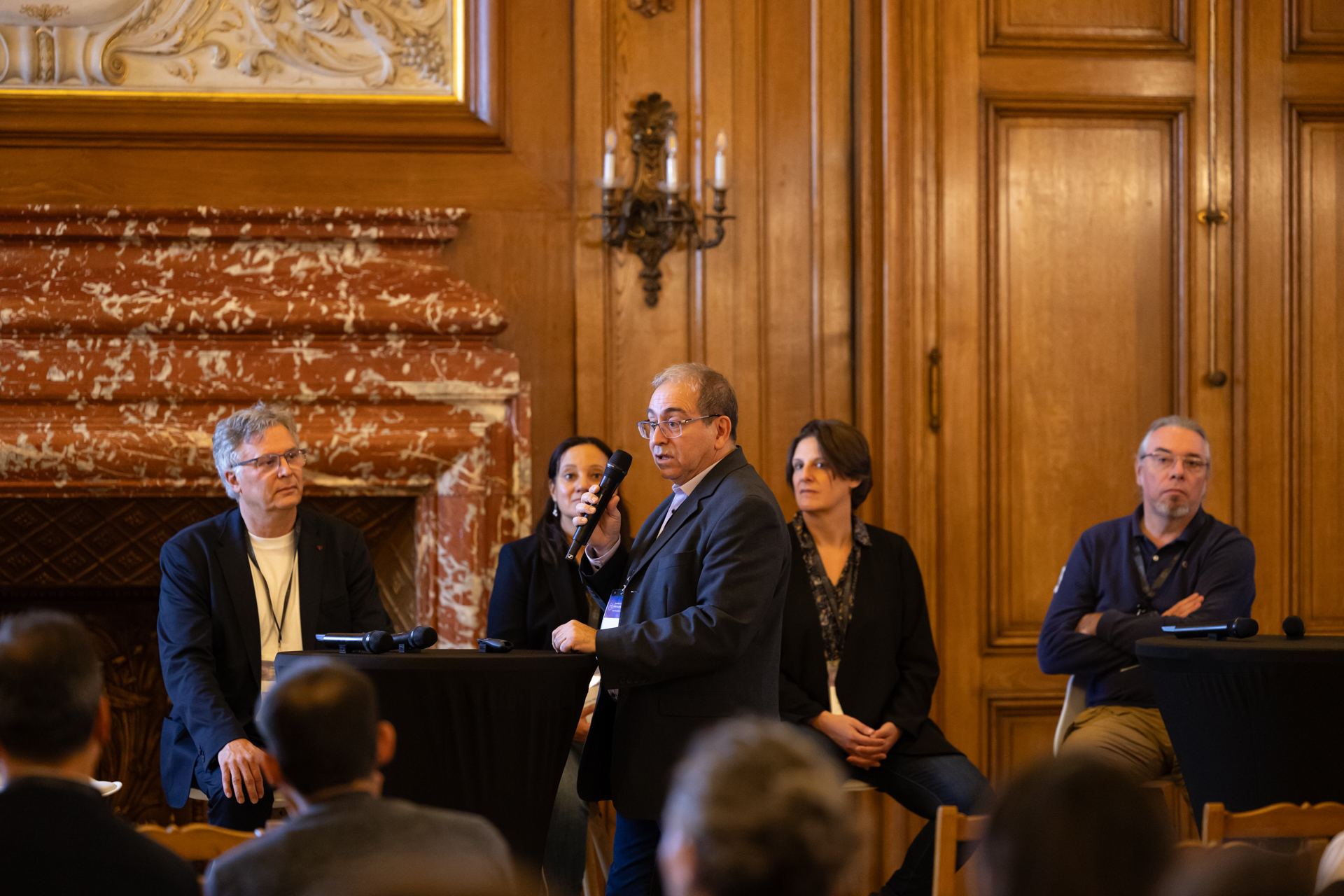
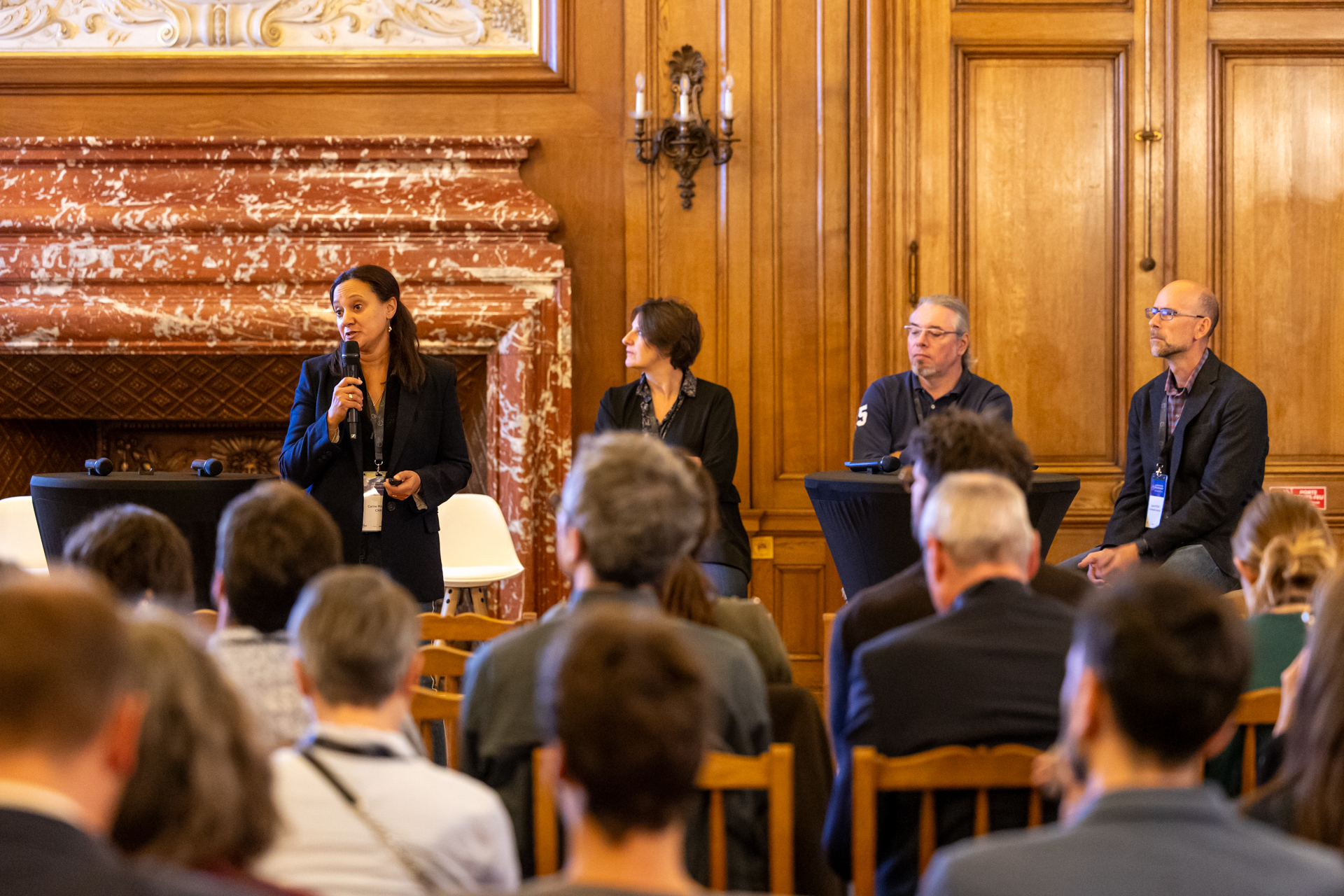
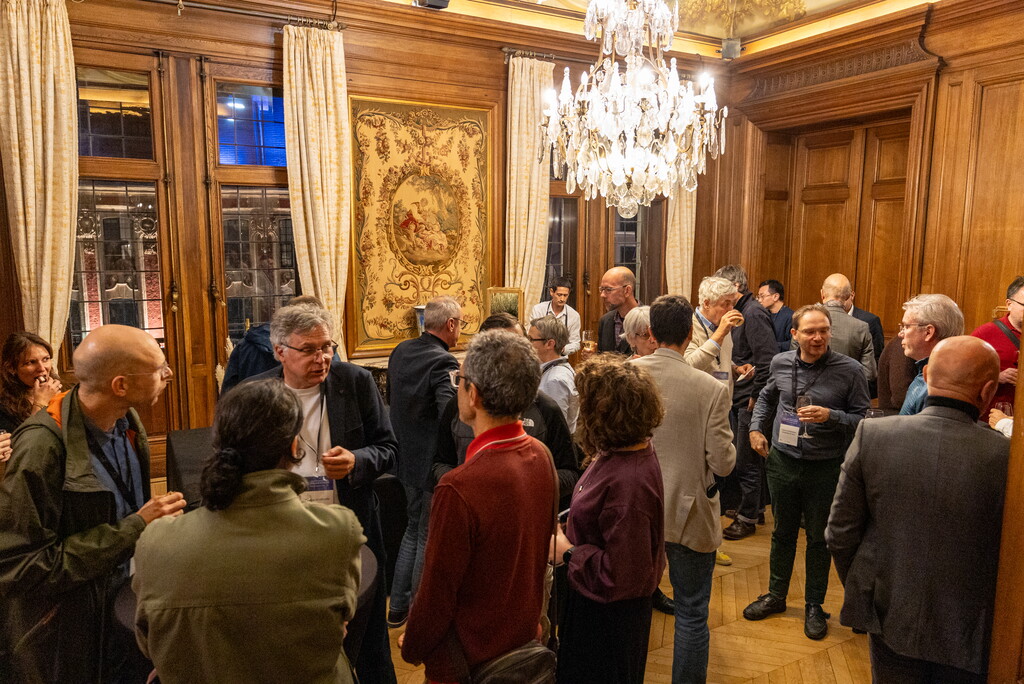
Social Evening at the Palais de la Bourse

The networking evening was held at the Palais de la Bourse and unfolded in three parts:

  • a public session open to the local ecosystem and specialized press;

  • a guided tour of the Palais de la Bourse in groups of 30 people;

  • a networking reception encouraging informal exchanges among participants.
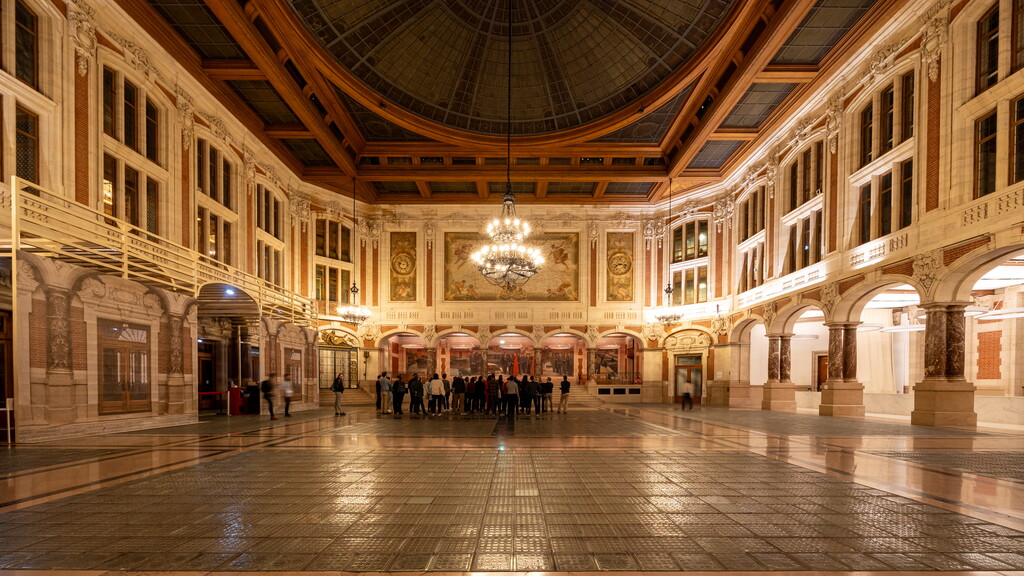
See the dedicated article.

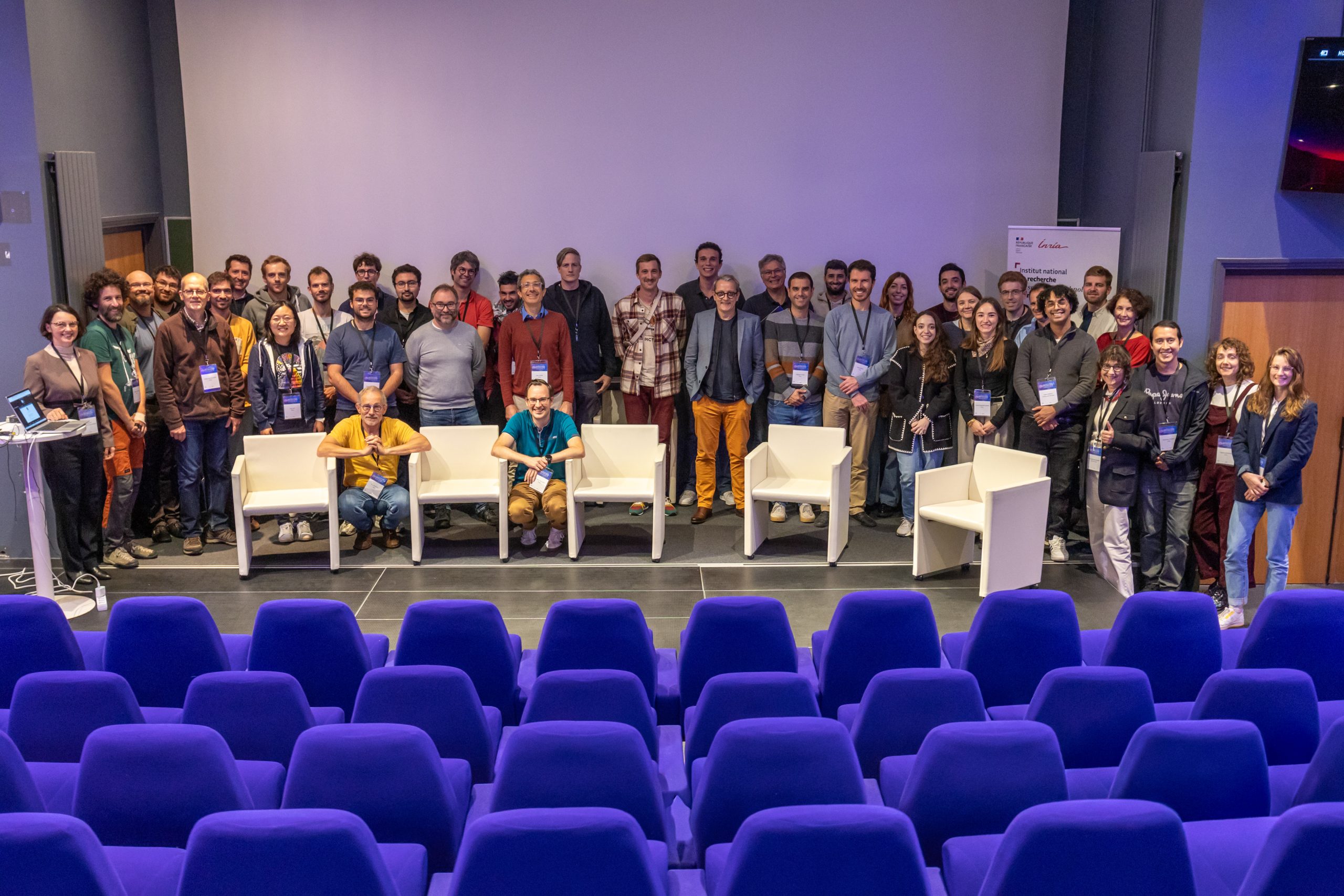
The SantéNum Engineers Seminar

The Inria Digital Health Thematic Network Seminar brought together 45 engineers over three days. Following a half-day of presentations and experience sharing, five parallel hackathons were organized:

  • Packaging with Guix

  • MONAI Workshop with Kitware

  • Medical report analysis with the Bordeaux University Hospital Data Warehouse (EDS)

  • Federated learning with Fed-BioMed

  • DICOM extension for EEG

All seminar videos are available here: https://rt-santenum.inria.fr/